

Best Coffee Beans for Espresso With Oat Milk
Quick Summary
The best coffee beans for espresso with oat milk are medium to medium-dark roasts, and blends are usually the safest choice. Oat milk's toasted-grain sweetness suits coffee with body and low acidity, while very light roasts can taste sour in milk drinks.
- Pick medium to medium-dark roasts with a toasted-grain or chocolate character for milk drinks.
- Blends such as the Blonde or 6 Bean Blend balance flavors so a shot tastes complete after milk.
- Avoid very light roasts, which can taste sour or thin in a latte.
- Use fresh beans roasted within 2-4 weeks, since staleness is harder to hide under oat milk.
- Start at 18 g in, 36 g out, in 25-30 seconds, and adjust the grind rather than the milk.
Table of Contents
- Why Oat Milk Changes What Espresso Beans Should Taste Like
- Best Espresso Beans for Lattes With Oat Milk
- Medium Roast Espresso Beans for Oat Milk Drinks
- Single Origin Versus Blend: Which Works Better With Oat Milk
- Why Fresh Coffee Beans for Espresso Matter More With Oat Milk
- How Grocery Store Coffee Beans Compare for Espresso
- Choosing Your Oat Milk Espresso Beans at Black Cat Coffee Co.
- Frequently Asked Questions
Why Oat Milk Changes What Espresso Beans Should Taste Like
Last Updated: November 20, 2026
Choosing the best coffee beans for espresso with oat milk is not the same as choosing beans for a black espresso. Oat milk has a toasted-grain flavor of its own, and that flavor sits right alongside the coffee. A bright, floral bean can get lost in it, while a roast with more body and nutty or chocolate notes holds its own. At Black Cat Coffee Co., we start from that idea: pick beans that complement the milk rather than fight it.
Oat milk is a plant-based milk, and it behaves differently from dairy. It is naturally a little sweet and grainy, and it steams into a silky texture that many drinkers prefer. That sweetness can make darker, caramel-leaning espresso taste even richer, while thin or sharp coffee tends to read as sour next to it.
Espresso with oat milk works best when the coffee brings body, a little sweetness, and low acidity.
Medium-dark roasts with a toasted-grain character tend to match an oat-milk flat white, and espresso blends with a Brazil base generally hold up better under milk than light, floral single-origin coffees. Our darkest option, the Italian Roast, is a slow-roasted blend of specialty grade Arabica and Robusta built for bold, full-bodied shots.
Best Espresso Beans for Lattes With Oat Milk
For most lattes, a blend gives you the most reliable result. Blends are built to balance several flavors at once, so a single shot still tastes complete after milk goes in. Our pick for a sweet, balanced latte is the Blonde, a sweet blend from Central America and Africa that is described as great for sweet espresso.
For a richer, chocolate-forward latte, the 6 Bean Blend is a dark roast designed for espresso, drawn from coffee grown around the world. The Latin American Blend is another strong option. It is a medium-dark roast with nutty hints, mild fruity tones, and a gentle cocoa aftertaste, which works well when you want the coffee to stand up to the milk.
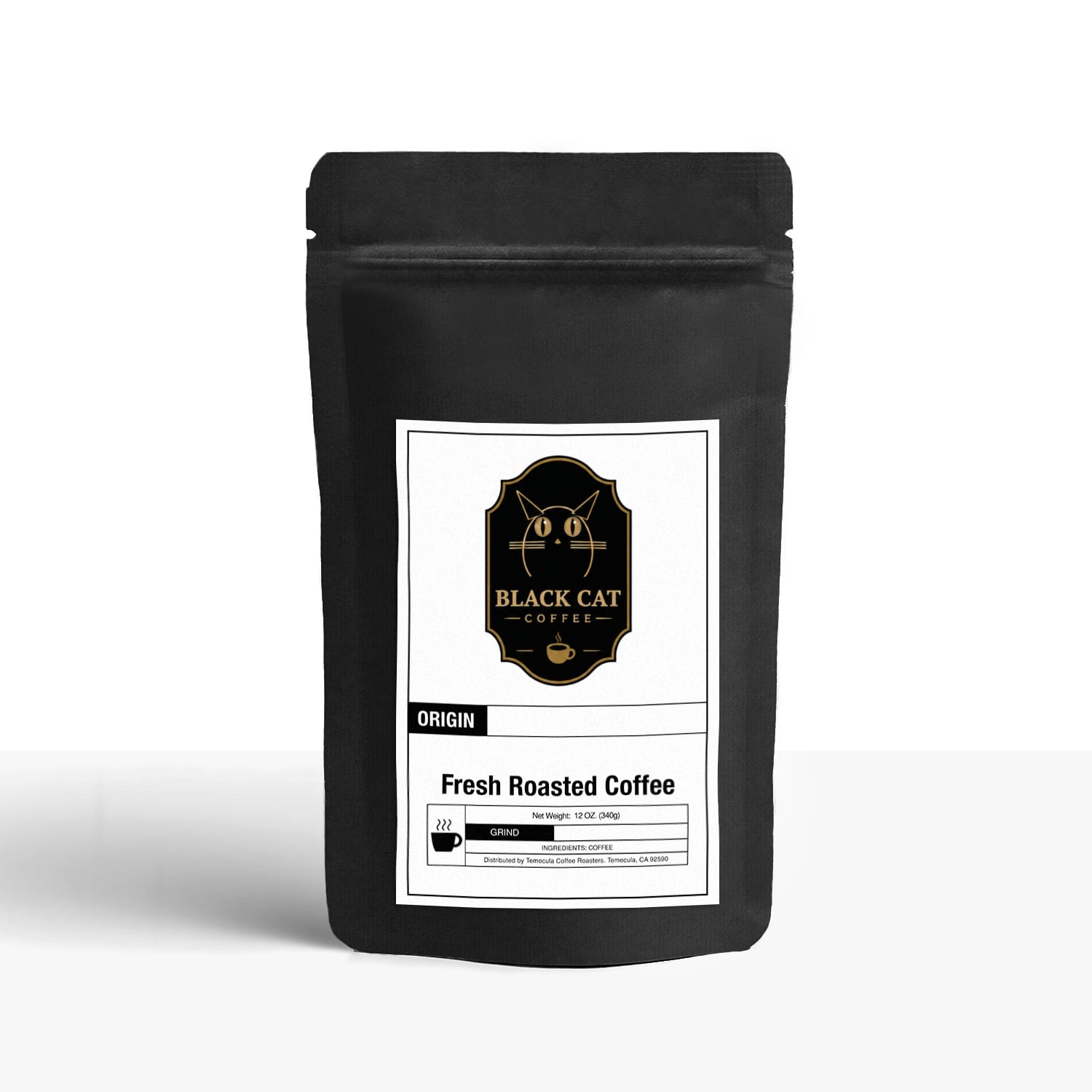
Watch out: a very light roast can taste sour or thin in a latte, even when it is delicious as a black espresso. Stick with medium to dark roasts for milk drinks.
Medium Roast Espresso Beans for Oat Milk Drinks
Medium roasts sit in a useful middle ground for oat milk because they keep enough sweetness and fruit to stay lively while carrying enough body to hold up to the milk's toasted-grain flavor. The practical difference shows up in the cup: a medium roast typically pulls a shot with more caramel and cocoa than a light roast, and that sweetness reads as rounder once oat milk is added. A light roast's acidity, by contrast, can turn sharp against oat milk's own subtle sweetness.
Our medium-roast picks, and where each one earns its place:
- Brazil Santos, smooth, clean, cocoa-forward. Best for a hot oat milk latte where you want the coffee to taste like coffee without fighting the milk. Its low acidity keeps the finish from turning sour as the drink cools.
- Guatemala, dark chocolate, bright fruit, butterscotch. Best for a flat white or cortado, where a smaller milk volume lets the fruit note come through. In a large latte the fruit fades, so keep the milk ratio tighter.
- Honduras (medium-dark), caramel, spice, brown sugar. Best for a cozy, dessert-like latte or a shaken espresso over ice, where the brown-sugar note echoes the oat milk's grain sweetness.
- Bali Blue (medium-dark), dark chocolate and molasses. Best for a cappuccino, where the thicker foam needs a bean with enough body to stay present.
A common pattern when dialing in a medium roast for oat milk: start at a 1:2 dose-to-yield ratio (for example, 18 g in, 36 g out) in about 25-30 seconds. If the shot tastes sour or thin under the milk, grind finer or extend the yield slightly; if it tastes bitter or ashy, grind coarser or shorten the yield. Medium roasts are forgiving here, which is why they are the safest starting point for oat milk drinks.
Watch out: a medium roast that is only a few days off the roaster can taste grassy or flat in oat milk; give it 5-10 days of rest after the roast date before judging the shot.
For drink-specific guidance, match the roast to the milk volume: larger hot lattes and iced drinks reward the darker, chocolate-leaning medium-dark roasts, while flat whites and cortados reward the cleaner medium roasts where fruit and cocoa can still be tasted.
The article's medium-roast picks each suit a different oat milk drink, and the key numbers for dialing in a shot are summarised below.
| Bean | Best for | Key flavor |
|---|---|---|
| Brazil Santos | Hot oat milk latte | Cocoa, smooth, clean |
| Guatemala | Flat white or cortado | Dark chocolate, bright fruit |
| Honduras (medium-dark) | Iced or shaken espresso | Caramel, brown sugar |
| Bali Blue (medium-dark) | Cappuccino | Dark chocolate, molasses |
Single Origin Versus Blend: Which Works Better With Oat Milk
Blends are usually the safer choice for oat milk because their components are chosen to balance each other, so a single shot still tastes complete after milk goes in. Single origins show off the character of one place, but that character can be subtle, and light, floral single-origin coffees may fade under oat milk's toasted-grain flavor. That is the conventional answer, and it is mostly right, but the more useful question is which style fits which oat milk drink.
Drink-specific picks:
- Hot oat milk latte, a blend with a Brazil base, medium to medium-dark. The Brazil component supplies nutty sweetness that mirrors oat milk, and the blend keeps the shot consistent bag to bag.
- Cappuccino, a medium-dark blend or a single origin with syrupy body, such as Sumatra. The thicker foam needs a bean with enough weight to stay present.
- Iced latte or shaken espresso, a medium-dark blend with caramel or brown-sugar notes, such as Honduras. Cold temperatures mute sweetness, so a darker, sweeter roast reads better over ice.
- Flat white or cortado, a medium single origin such as Guatemala, where the smaller milk volume lets fruit and butterscotch come through.
Oat milk formulation matters as much as the bean. Barista-style oat milk is formulated with added oils and often stabilizers so it steams into microfoam; it tastes richer and can mute a delicate coffee. Sweetened oat milk adds sugar that pushes the drink toward dessert, so a darker, chocolate-leaning bean balances it better than a bright single origin. Unsweetened oat milk lets the coffee's own sweetness show, which is where a medium roast with fruit notes earns its place. Read the ingredient label: added oils and sugars change the balance more than most drinkers expect, and allergen labeling matters for anyone managing dietary restrictions.
Practical dialing-in for oat milk. Start at 18 g in, 36 g out, in 25-30 seconds. If the shot tastes bitter or ashy under oat milk, grind coarser or shorten the yield; if it tastes sour or weak, grind finer or extend the yield. Oat milk's sweetness can mask under-extraction, so taste the shot black first, then with milk, and adjust the grind rather than the milk.
Value and freshness trade-offs. Whole beans with a clear roast date beat pre-ground for espresso because pre-ground coffee stales faster and clogs the puck inconsistently. Price per serving varies widely, but the bigger variable is freshness: beans roasted within 2-4 weeks of brewing consistently outperform older beans in oat milk drinks, where staleness is harder to hide.
Watch out: a single origin can taste different from one bag to the next; if you love its character, keep ordering it, but expect some variation in your cup.
Why Fresh Coffee Beans for Espresso Matter More With Oat Milk
Freshness matters in any espresso, but it matters more with oat milk. Stale coffee tastes flat and papery, and that flatness is harder to hide under a grainy, sweet milk. Check the roast date and buy beans roasted close to when you plan to brew them. If you want a quick way to judge whether your beans are still fresh, our guide on how to tell if coffee is fresh walks through simple checks.
Once you have fresh beans, storage keeps them that way. Keep them sealed, away from heat and light, and grind only what you need. Our guide to storing coffee beans properly explains the practical steps.
How Grocery Store Coffee Beans Compare for Espresso
For a side-by-side look at the difference, see our fresh roasted coffee versus grocery store comparison.
Choosing Your Oat Milk Espresso Beans at Black Cat Coffee Co.
If you are ready to choose, start with a blend for lattes and a medium or medium-dark roast for flat whites. Our African Espresso, a medium-dark blend from Kenya, Tanzania, and Ethiopia, is one option for oat milk drinks. For a medium roast, the Italian Roast and African Espresso are good places to start.
Best for: everyday oat milk lattes and flat whites.
Shop the full range at Black Cat Coffee Co. to find the roast that suits your milk and your taste.
Frequently Asked Questions
What is the best coffee to pair with oat milk?
Medium and medium-dark roasts with nutty, chocolate, or caramel notes tend to pair best with oat milk, because oat milk has a naturally toasted-grain flavor that complements those tones. Blends with a Brazil base are a reliable starting point for espresso lattes. Black Cat's Brazil Santos, a medium roast with cocoa notes, and Honduras, a medium-dark roast with caramel and brown sugar, are both options at $23.99 per bag. Start with one and adjust based on how sweet or bold you want the drink.
What type of coffee bean is best for espresso?
Espresso works best with beans that are roasted for body and sweetness rather than bright acidity. Medium-dark and dark roasts produce heavier body and chocolate or caramel notes that hold up well under pressure brewing. Black Cat's 6 Bean Blend is a dark roast listed as great for espresso, Italian Roast is a slow-roasted blend, and African Espresso is a medium-dark blend. Whatever you choose, buy whole beans and grind just before brewing for the best extraction.
Are dark or medium-roast beans better with oat milk?
Medium roasts keep enough sweetness and nutty character that they can be a reasonable starting point with oat milk. Medium-dark roasts add more body and chocolate notes, which some drinkers prefer in a latte. Very dark roasts can taste bitter or ashy once milk is added. Black Cat's Guatemala and Brazil Santos are medium roasts, while Honduras and Bali Blue are medium-dark, so you can test both styles.
