

Why Single Origin Coffee Tastes Different
Table of Contents
- What Makes Single Origin Coffee Taste Different?
- Processing Methods: From Washed to Natural
- Why Single Origin vs. Blends Is a Flavor Choice
- How to Brew Single Origin Coffee for the Best Cup
- Choosing the Best Coffee Beans for Home Brewing
- The Impact of Roast Level and Freshness
- Beyond the Cup: Economic and Sustainability Impact
- Conclusion: Find Your Single Origin Preference
- Frequently Asked Questions
Last Updated: September 6, 2026
What Makes Single Origin Coffee Taste Different?
Single origin coffee is sourced from one specific farm, cooperative, or growing region, rather than blended from multiple locations. That single source preserves everything about where the coffee grew in the final flavor.
Geography explains the flavor gap: soil, weather, and farming practices imprint on the bean, and those characteristics survive roasting.
The Role of Terroir: Soil, Climate, and Elevation
Terroir is the combination of soil composition, climate, and elevation that shapes a coffee's flavor profile. Borrowed from wine, it explains why the same coffee variety tastes dramatically different depending on where it grows.
High-elevation farms are the clearest example. Coffee grown above 1,200 meters matures more slowly, developing more complex sugars and a brighter cup with higher acidity and floral or fruity notes (peer-reviewed research). Lower-elevation coffee tends toward a heavier body with earthy, nutty characteristics.
Soil composition matters just as much. Volcanic soils, common in Central America and parts of Indonesia, drain well and are mineral-rich, contributing to a clean, sweet cup. Sandy or clay-heavy soils alter water retention and nutrient uptake, changing the bean's chemistry before harvest.
How Coffee Varieties and Cultivars Shape Flavor
Beyond location, the genetic identity of the plant sets the flavor ceiling. The two main species are Arabica and Robusta, but within Arabica, dozens of cultivars and varietals exist, each with distinct traits.
Bourbon and Typica are classic heirloom varieties known for balanced sweetness and clean acidity. Newer hybrids like Geisha are famous for intense jasmine and bergamot aromatics. A farm's cultivar choice is often a bet on flavor over yield, which is why single origin lots from the same region can taste completely different.
Harvest season and micro-lot selection add another layer. A micro-lot is a small, carefully separated batch from a specific farm area, often picked at peak ripeness, letting roasters highlight the most expressive version of a terroir.
Processing Methods: From Washed to Natural
The processing method is the bridge between the cherry and the bean, and it changes the cup more than most drinkers expect. The three dominant approaches are the washed process, the natural process, and the honey process.
Washed coffee removes the fruit before drying, producing a clean, bright cup where acidity and floral notes shine. Natural process coffee dries the whole cherry around the bean, pulling sugars into the seed for a heavier body with berry and wine-like sweetness. Honey process sits in between, leaving some mucilage for a syrupy mouthfeel and caramelized sweetness.
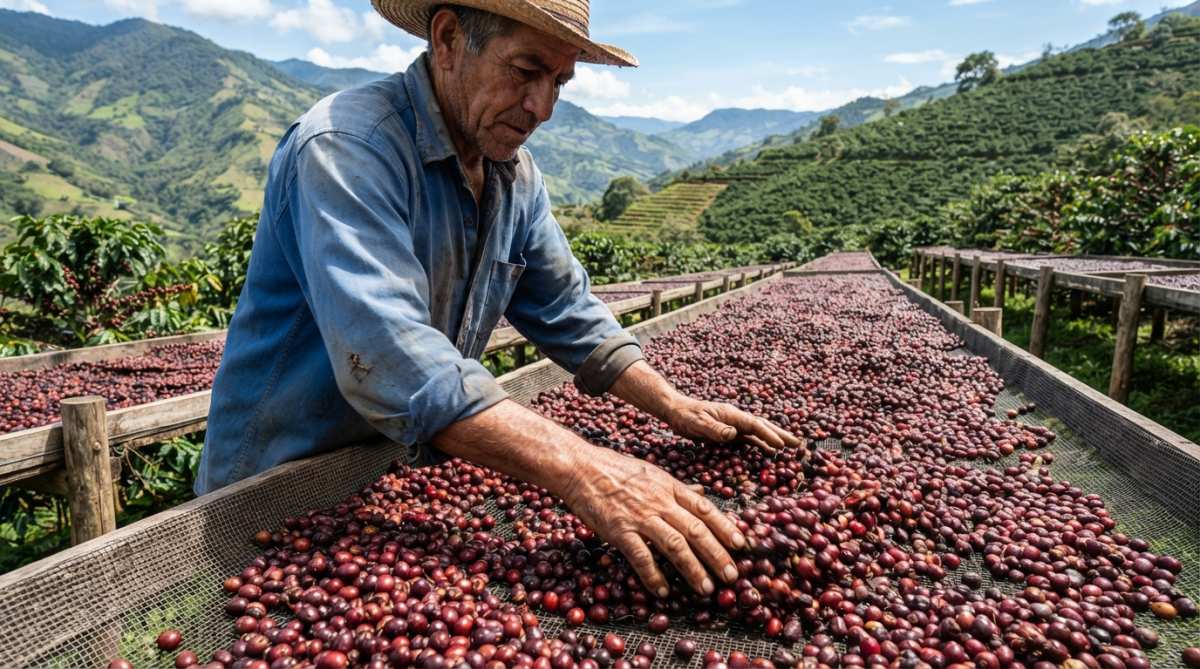
A bag's processing label is a flavor roadmap. For a crisp, tea-like cup, washed coffees are the safest starting point. For something bold and fruity, look for natural processed lots.
Why Single Origin vs. Blends Is a Flavor Choice
Single origin vs. blends is not a contest of quality but a choice between two goals. Blends exist for consistency, combining beans from several regions to hit a target flavor profile every batch regardless of harvest variability.
Single origin pursues traceability and distinctiveness. Each batch reflects one harvest season, one processing method, and one terroir, so flavor can shift slightly between harvests, a feature, not a flaw. You trade consistency for a sensory experience tied to a specific place and time.
For drinkers, the difference is about expectation. A well-crafted blend delivers the same comforting cup every morning. To taste the difference between a Kenyan AA and a Guatemalan Huehuetenango, single origin is the only path.
How to Brew Single Origin Coffee for the Best Cup
Most guides stop at grind size and water temperature, but the real question is how your brewer showcases or flattens the origin character you paid for. Different extraction methods interact with the bean's soluble compounds differently, and understanding that is the difference between tasting a Kenyan AA's black-currant brightness and just drinking a pleasant cup.
Percolation vs. Immersion: The Two Extraction Philosophies
Every brewing device falls into one of two categories. Percolation brewers (V60, Chemex, batch drip) push water through the coffee bed once, extracting the most soluble compounds first, bright acids and aromatic volatiles that carry floral and fruity notes. Immersion brewers (French Press, AeroPress, cupping) hold water and coffee together for the full brew time, extracting a wider range of compounds, including heavier sugars and bitters that create body and depth.
For single origin, this distinction matters enormously. A light-roasted Ethiopian natural with strawberry and wine notes shines through a V60 because percolation preserves delicate, high-acid compounds. The same coffee in a French Press tastes heavier and fruitier, but floral top notes are muted by longer extraction and fine particles from the metal mesh filter.
Filter Type: The Overlooked Variable
Paper filters absorb oils that carry mouthfeel and some flavor compounds, producing a cleaner, tea-like cup. Metal filters let those oils through for a fuller body but also more bitterness and sediment. For a washed Colombian with caramel and nut notes, a metal filter adds pleasant weight. For a delicate Geisha with jasmine aromatics, a paper filter lets the subtle florals cut through without oil-induced heaviness.
Practical Adjustments by Brewer
- V60 or pour-over: Use a finer grind than you think, pour in slow, concentric circles, and keep the total brew time between 2:30 and 3:30. This method is the most transparent, it reveals every flaw and every nuance, so it is the best tool for evaluating a new single origin bag.
- French Press: Use a coarse grind and a 4-minute steep before pressing. The immersion extraction smooths out acidity, which helps if you find a coffee too sharp, but it will also soften the distinctive high notes that make single origin interesting.
- AeroPress: This brewer is the most forgiving because you control pressure and steep time. A 1:15 ratio with a 90-second steep and a paper filter gives a clean, espresso-like concentrate that you can dilute. It is an excellent middle ground for coffees that are too delicate for a French Press but too bold for a V60.
- Batch drip: Most automatic drip machines run too hot and too fast, which over-extracts the tail end of the brew and pulls out harsh bitterness. If you use one, choose a medium roast single origin and grind slightly coarser than you would for a V60 to compensate.
The Cupping Baseline
Before you dial in any brewer, cup the coffee first. Grind 10 grams coarsely, add 100 grams of water at 200°F, wait 4 minutes, break the crust, and taste. This gives you the coffee's true flavor profile without any brewer-induced variables. Once you know what the bean actually tastes like, you can decide which brewing method will emphasize the characteristics you want.
Choosing the Best Coffee Beans for Home Brewing
The best coffee beans for home brewing are roasted to order and consumed within a few weeks of the roast date. Roasted coffee is perishable, the aromatic oils carrying flavor begin oxidizing immediately, and the difference between a bag roasted last week and one roasted three months ago is enormous.
Buy whole beans. Pre-ground coffee loses flavor rapidly because increased surface area accelerates oxidation. Buy whole and grind yourself.
Traceability matters too. A bag naming the farm, region, and processing method gives you information to predict and adjust your brewing, and this is where many roasters fall short. At Black Cat Coffee Co., every single origin lot is roasted to order after you place your order, so beans arrive at peak freshness.
Roast profile is the second consideration. Lighter roasts preserve terroir acidity and origin character; darker roasts push toward chocolate and caramel while muting regional differences. For single origin, a light to medium roast is usually the right call because it lets the source speak.
The Impact of Roast Level and Freshness
Roast level is not just light, medium, or dark, it is about the chemical transformations inside the bean at specific temperatures, which determine how much origin character survives to your cup.
What Actually Happens During Roasting
Green coffee beans contain hundreds of volatile compounds, including organic acids, sugars, and amino acids. Roasting drives off moisture and triggers the Maillard reaction, the same browning that creates bread crust, producing caramel, chocolate, and nutty flavors. The longer and hotter the roast, the more these roast-derived compounds dominate and the more origin-specific acids and aromatics break down.
First crack, the audible pop around 385°F to 400°F, marks when internal pressure ruptures the bean's structure (sca.coffee). Coffees pulled shortly after are light roasts, retaining the highest concentration of chlorogenic acid, which contributes to the bright, tangy acidity distinguishing a Kenyan SL28 from a Brazilian Bourbon. As the roast progresses past first crack toward 420°F and beyond, those acids degrade, sugars caramelize further, and the bean develops the heavier body and bittersweet notes of a medium or dark roast.
The Flavor Trade-Off by Roast Level
- Light roast (City or Cinnamon): Preserves the most origin character. Acidity is pronounced, floral and fruity notes are intact, and the cup is tea-like and complex. The downside is that underdeveloped sugars can leave the coffee tasting sour or grassy if the roast is cut too short, and light roasts are less forgiving to brew.
- Medium roast (Full City): Balances origin acidity with roast sweetness. This is the sweet spot for most single origin coffees because it allows the terroir to show while adding enough caramelization to round out the cup. Most specialty roasters default to this range for single origin offerings.
- Dark roast (Vienna or French): The origin character is largely muted. The bean's oils migrate to the surface, creating the shiny appearance and heavy body, but the roasting process destroys the delicate acids and aromatics that made the coffee distinct in the first place. A dark-roasted Ethiopian natural will taste more like charcoal and dark chocolate than like blueberries.
Freshness: The Window You Actually Have
The Specialty Coffee Association recommends consuming coffee within a narrow window after roasting, and most roasters confirm this. Coffee releases carbon dioxide for days after roasting, a process called degassing. In the first 24 to 48 hours, that gas interferes with extraction, causing inconsistent flavor. The sweet spot is typically between day 3 and day 14 after the roast date, when the coffee has degassed enough to extract evenly but has not yet lost its volatile aromatics.
After about two weeks, oxidation flattens the cup noticeably. Bright, fruity notes fade first because the volatile compounds carrying them are the most fragile, leaving a dull, papery version of the original. By day 30, most single origin coffees have lost the characteristics that justified their price premium.
Practical Rules for Roast Date Management
- Check the roast date, not the sell-by date. If a roaster does not print one, that is a red flag.
- Buy only what you will brew within two to three weeks. A 12-ounce bag is roughly 20 to 24 cups, which is about right for a daily drinker.
- Store beans in an airtight, opaque container at room temperature. Do not refrigerate or freeze, moisture and temperature swings accelerate staling.
- If you buy from a roaster that roasts to order, you control the freshness window from day one. If you buy from a grocery store shelf, check the roast date carefully; many bags are already past their peak before they reach the shelf.
Beyond the Cup: Economic and Sustainability Impact
Choosing single origin is also a supply chain decision. With a blend, the roaster can source from whichever market offers the best price in a given season. With a single origin lot, you commit to one farm or cooperative, creating a direct economic link.
This transparency supports farmers in a way that commodity coffee markets often do not. Direct trade relationships and higher prices for quality lots incentivize farmers to invest in sustainable growing practices. The World Coffee Research's work on variety development and farmer support highlights how investments in agricultural science and supply chain transparency help secure the future of coffee production.
There is a sustainability angle for the home brewer as well. Buying whole beans roasted to order reduces waste compared to single-use pods and ensures you are not throwing away stale coffee. Supporting roasters who publish sourcing details pushes the industry toward greater accountability.
Conclusion: Find Your Single Origin Preference
Single origin coffee tastes different because every step of its journey, from soil and elevation to processing method and roast profile, leaves a mark on the final cup. The practical path to enjoying it is to taste widely, adjust your brewing for each bag, and pay attention to roast dates.
The challenge is finding a roaster you can trust to deliver beans that are genuinely fresh and honestly sourced. Black Cat Coffee Co. roasts every order after you place it, so your coffee arrives at peak flavor. Our carefully sourced single origin beans, roasted to order, are designed to capture the natural character of each farm. Explore our single origin selection or shop our full coffee collection to find the cup that matches your taste.
Frequently Asked Questions
Is single-origin coffee always better than a blend?
Not always. Single origin coffee offers a distinct flavor profile that reflects one farm or region, which many drinkers find more complex and interesting. Blends are designed for consistency and balance, often combining beans to create a specific taste that stays the same year-round. The 'better' choice depends on your preference. If you enjoy exploring unique tasting notes and terroir, single origins are a great fit. If you value a familiar, consistent cup every morning, a well-crafted blend is a reliable option.
Why does the same single origin coffee taste different from batch to batch?
Several factors cause variation. The harvest season changes, so beans from a new crop will have subtle differences. Processing methods can be slightly adjusted by the farm. The roast profile plays a major role; a lighter roast will highlight acidity and floral notes, while a darker roast brings out body and chocolatey flavors. Finally, your brewing method and grind size affect extraction. This is why you might notice differences between a washed Ethiopian and a natural Ethiopian, or between two roasts of the same bean.
What factors contribute to the unique flavor profile of single-origin coffee?
The primary factor is terroir, which includes the soil composition, climate, and elevation where the coffee is grown. Higher elevations often produce beans with more acidity and brighter, fruitier notes. The coffee variety, such as Typica or Geisha, also has its own characteristics. The processing method is crucial: washed processes yield a cleaner, more acidic cup, while natural processes create heavier body and fermented, fruity flavors. These elements combine to give each single origin its signature taste.
How should I brew single origin coffee to taste its unique notes?
To appreciate the subtle flavors of single origin coffee, use a pour-over method like a V60 or Chemex. Start with a medium-fine grind and use water just off the boil (around 200°F). The key is to use the right ratio: about 1 gram of coffee to 16 grams of water. Pour slowly in a spiral motion to ensure even extraction. This method highlights the coffee's clarity and acidity, making the terroir-driven tasting notes like floral, fruity, or nutty more apparent than with a darker espresso roast.
Choosing the right coffee comes down to understanding what you value in the cup and finding a source that respects the craft. Black Cat Coffee Co. makes that easy with small-batch, roasted-to-order beans and transparent sourcing from trusted farms. Get started with Black Cat Coffee Co. and taste the difference freshness makes in your daily ritual.