

Shortds Alternative: Premium Small-Batch Coffee in 2026
Table of Contents
- Shortds Alternative: Why Small-Batch Roasters Win on Freshness
- Feature Comparison: Subscription Services vs. Roast-to-Order
- The Impact of Roast Date on Coffee Quality
- Small-Batch Roasted Coffee Benefits You Can Taste
- How to Choose Premium Coffee Beans for Your Routine
- Brewing Methods and Equipment Compatibility
- Is a Shortds Alternative Worth the Switch?
- Frequently Asked Questions
Last Updated: September 4, 2026
Most coffee drinkers never taste what their beans actually have to offer. By the time grocery store coffee reaches your cup, it has often been sitting in a warehouse or on a shelf for months, slowly losing the volatile oils and compounds that create flavor and aroma. A shortds alternative for premium coffee built around small-batch, roasted-to-order beans solves this problem at its source: the roast date. At Black Cat Coffee Co., we roast only after you order, which means the coffee you brew was roasted days ago, not months ago. This guide breaks down why that freshness gap is the single biggest difference between commodity coffee and a truly premium cup, and how to choose a roaster that prioritizes it.
The specialty coffee industry has spent years educating drinkers on origin, altitude, and processing methods. Roast date matters more than all of them combined. Specialty Coffee Association brewing and freshness guidance notes that coffee begins staling almost immediately after roasting, with flavor degradation accelerating as gases escape and oxidation sets in. Below, we'll show you exactly how to evaluate a roaster's freshness commitment, what equipment you need to brew these beans properly, and why the switch is worth the extra cost per cup.
Shortds Alternative: Why Small-Batch Roasters Win on Freshness
A shortds alternative built on small-batch roasting wins on freshness because the beans are roasted to order and shipped within days, not weeks. Mass-market brands roast in massive quantities, then vacuum-pack and warehouse the coffee until retailers order more. That supply chain can add months between roast date and your brew. Small-batch roasters compress that window to days, preserving the delicate aromatic compounds that make coffee taste alive.
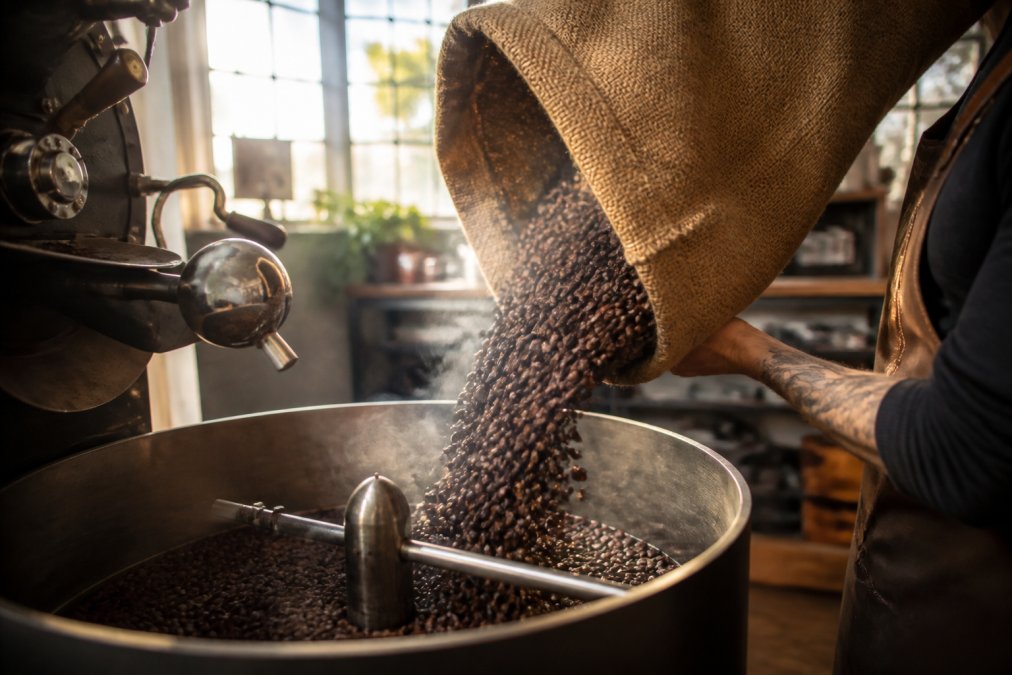
The difference is measurable in the cup. Freshly roasted coffee produces a thick, caramel-colored crema, a pronounced sweetness, and tasting notes that actually match the bag's description. Stale coffee tastes flat, bitter, and dusty by comparison. A common mistake is assuming "premium" means expensive beans. It means fresh beans. Roast date is the proof.
Feature Comparison: Subscription Services vs. Roast-to-Order
When evaluating a shortds alternative, you'll choose between subscription services and roast-to-order models. Both deliver freshness, but they operate differently. Subscription services like Atlas Coffee Club's global sourcing model curate beans from different regions monthly, offering variety at a starting price around $19.50 per shipment. Roast-to-order roasters, by contrast, roast each bag only after you place an order, which maximizes freshness for every single delivery.
| Feature | Subscription Service | Roast-to-Order Roaster |
|---|---|---|
| Roast timing | Scheduled batches | After you order |
| Variety | Rotating global origins | Fixed menu, deep selection |
| Freshness window | 1-4 weeks post-roast | Days post-roast |
| Best for | Palate exploration | Daily ritual consistency |
Roast-to-order models shine for drinkers who want the same reliable, exceptional cup every morning. Black Cat Coffee Co. follows this model, roasting blends, single origins, and coffee pods only after you order. You trade some variety for a guarantee: every bag you receive is at peak freshness.
The Impact of Roast Date on Coffee Quality
The impact of roast date on coffee quality is dramatic and scientifically well-documented. Coffee beans contain hundreds of volatile aromatic compounds created during roasting. These compounds begin dissipating immediately. Within two weeks, much of the flavor complexity is gone; within a month, the coffee tastes noticeably flat. This is why roast date, not the "best by" date, is the number to check.
UC Davis Coffee Center research on coffee staling confirms that carbon dioxide release and oxidation are the primary drivers of flavor loss after roasting. The practical implication is simple: buy coffee roasted within the last week or two, and brew it within a month of the roast date. Whole beans hold freshness longer than pre-ground, so grind at home when possible. If you are coming from grocery store coffee, expect a revelation the first time you brew beans roasted three days ago.
Small-Batch Roasted Coffee Benefits You Can Taste
Small-batch roasted coffee benefits extend beyond freshness into quality control and flavor development. Roasting in small batches, typically 5 to 25 pounds at a time, lets the roaster monitor each batch closely and adjust for variables like humidity, bean density, and ambient temperature. The result is a consistent, well-developed roast profile that large-scale production simply cannot achieve.
What does this mean in the cup? Expect a smoother mouthfeel, lower bitterness, and a cleaner finish. Small-batch roasters can also source from specific farms and micro-lots, offering single-origin coffees with distinct terroir. Black Cat Coffee Co. sources beans from trusted farms around the world and roasts them to order, capturing the natural flavor and character of each origin. The trade-off is availability: small-batch production means limited stock, and popular origins sell out. That scarcity is a feature, not a bug. It signals the roaster prioritizes quality over volume.
How to Choose Premium Coffee Beans for Your Routine
To choose premium coffee beans for your routine, focus on four factors: roast date, origin transparency, roast level, and format. Start with the roast date. If the bag lacks one, the roaster is hiding something. Origin transparency matters next. Look for the specific farm, cooperative, or region, not just "house blend." National Coffee Association brewing and selection resources recommends buying whole beans and grinding just before brewing for the best flavor.
Roast level is a matter of taste, but it interacts with origin. Light roasts preserve acidity and floral notes; dark roasts emphasize body and chocolatey depth. A quality roaster offers both. Finally, consider format. Whole beans suit pour-over and French press drinkers. Coffee pods suit busy mornings. Black Cat Coffee Co. offers blends, single origins, and coffee pods, so you can match the format to your brewing setup without sacrificing freshness.
Brewing Methods and Equipment Compatibility
A shortds alternative built on premium, roast-to-order beans only delivers its full potential if your brewing equipment and technique are aligned. The top-ranking guides treat brewing as an afterthought, but the equipment you use is the single biggest variable after roast date. Here is how to match your gear to the bean, and how to avoid the most common extraction failures.
Pour-Over Cones (V60, Chemex, Kalita Wave)
Pour-over is the most forgiving method for light roasts with bright acidity. The key variable is your pour rate and water temperature. For a light roast, use water just off the boil, around 200°F to 205°F. A common pattern among baristas is a 1:16 coffee-to-water ratio, meaning 30 grams of coffee to 480 grams of water. Pour in slow, concentric circles, starting in the center and working outward. The entire brew should take between 3 and 4 minutes. If it finishes faster, your grind is too coarse; if it stalls, your grind is too fine.
French Press
A French press excels with dark roasts and blends that have a heavy body. The mesh filter lets natural oils through, which mutes the bright, floral notes of a light roast but amplifies chocolatey depth. Use a coarser grind than you would for pour-over. A standard ratio is 1:15, and the steep time should be exactly 4 minutes before pressing. Do not leave the coffee sitting on the grounds after pressing; transfer it to a thermos or carafe immediately to stop extraction.
Espresso Machines and Moka Pots
Espresso machines are the least forgiving. They require a fine, consistent grind and precise pressure. If you are using a roast-to-order bean, dial in your grind size first. A typical starting point is a 1:2 ratio of ground coffee to liquid espresso, extracted in 25 to 30 seconds. If the shot runs too fast, grind finer; if it drips, grind coarser. Moka pots operate at lower pressure than espresso machines and work best with a medium roast. Use a grind slightly coarser than espresso but finer than pour-over, and remove the pot from heat as soon as it starts gurgling to avoid a bitter, burnt finish.
The Grinder Is Non-Negotiable
A blade grinder produces uneven particles, which leads to simultaneous over- and under-extraction in the same cup. A burr grinder, even a hand-cranked model, produces uniform particles and is the single best equipment upgrade you can make. If you are using pre-ground coffee, you are already losing the volatile aromatic compounds that make roast-to-order beans special. Grind immediately before brewing, and store whole beans in an airtight, opaque container at room temperature. Do not refrigerate them; moisture and odors from the fridge will degrade the beans faster than air exposure.
Pod Machines: The Convenience Trade-Off
If you use a single-serve pod machine, look for compostable pods that carry a roast date. Most mass-market pods are packed months before purchase, and the plastic or aluminum barrier does not fully stop oxidation. Roast-to-order pods, like those from Black Cat Coffee Co., close that gap by shipping within days of roasting. The trade-off is that pod machines limit your control over water temperature and pressure, so you will not achieve the same clarity as a pour-over. But for a busy morning, a fresh pod is still a significant step up from a stale one.
Is a Shortds Alternative Worth the Switch?
A shortds alternative is worth the switch for most drinkers, but the honest answer depends on your health profile, your budget, and your willingness to plan ahead. Top-ranking articles rarely address the safety side of coffee substitution, so here is the full picture.
The Cost Breakdown: What You Are Actually Paying For
Roast-to-order, small-batch coffee typically costs more per 12-ounce bag than grocery store coffee of the same weight. The price difference reflects shorter supply chains, direct farm relationships, and the fact that small-batch roasting has higher labor costs per pound. For that, you get a cup that actually tastes like the tasting notes on the bag, and you avoid the stale, dusty flavor of warehouse-aged coffee.
Health Considerations: Who Should Be Cautious
Coffee itself is not for everyone, but neither are many coffee alternatives. If you are switching for health reasons, be specific about what you are trying to avoid. For caffeine sensitivity, look for Swiss Water Process decaf, which removes 99.9% of caffeine without chemical solvents. If you are exploring chicory or dandelion root blends, note that chicory root is high in inulin, a type of fiber that can cause bloating or digestive discomfort in sensitive individuals. Dandelion root has mild diuretic properties and can interact with lithium and certain blood pressure medications. Most practitioners recommend consulting a physician before using adaptogenic blends if you are pregnant, nursing, or taking prescription medication. Adaptogens like ashwagandha and lion's mane are not regulated by the FDA for safety or efficacy, so choose brands that publish third-party testing results.
The Planning Trade-Off Is Real
Roast-to-order means you cannot run to the store when you run out. You need to reorder three to five days before your current bag is empty. Subscription services solve this by automating the schedule, but you still need to estimate your consumption rate. A 12-ounce bag lasts about two weeks for a single daily cup, or one week for two cups a day. If you travel frequently or your consumption varies, a subscription may deliver more than you need. In that case, a local roaster with a retail counter is a better fit, since you can buy exactly what you need and check the roast date in person.
The Side-by-Side Test
The most direct way to decide is a blind comparison. Buy a bag of your current grocery store coffee and a bag of roast-to-order coffee. Grind both fresh, brew them with the same method, and taste them side by side without knowing which is which. The roast-to-order coffee will almost always have more aroma, a sweeter finish, and less bitterness. If you cannot tell the difference, your palate may not justify the cost, and that is a valid outcome. But for most drinkers, the first sip of a coffee roasted three days ago is a revelation that makes the switch permanent.
Frequently Asked Questions
What is the main difference between a mass-market coffee service and a small-batch roaster?
Mass-market services typically roast large volumes in advance and warehouse the bags, so beans can sit for weeks before shipping. A small-batch roaster like Black Cat Coffee Co. roasts to order, meaning your coffee is packaged and shipped within days of roasting. That roast date matters: coffee begins losing its aromatic compounds and flavor within two weeks. Fresher beans produce more crema, a more complex aroma, and a noticeably sweeter, cleaner cup.
How does roast-to-order coffee compare to standard subscription services?
Roast-to-order coffee prioritizes freshness over convenience. Standard subscriptions often deliver coffee roasted weeks earlier, while roast-to-order services only start the process after you order. This guarantees the bag you receive is at its peak flavor potential. The trade-off is a short shipping delay. For daily drinkers, the difference in taste is significant enough that many find the brief wait worthwhile.
What should you look for when choosing a premium coffee alternative?
Look for three things: a visible roast date on the bag (not just a best-by date), transparent sourcing information about the farms or regions, and a roast profile that matches your brewing method. If you use a drip machine, a medium roast works well. For espresso, a darker roast offers more body. Small-batch roasters often provide brewing recommendations tailored to each specific bean, which helps you get the best possible extraction.
Is small-batch coffee worth the investment for daily drinkers?
For most daily drinkers, yes. The price per cup is higher than mass-market grocery coffee, but the flavor improvement is substantial. Coffee loses flavor rapidly after roasting, so beans from large distributors often taste flat by the time you open them. Small-batch, roast-to-order coffee delivers the full flavor profile the farmer and roaster intended. Many drinkers find they need less sugar and cream because the coffee tastes better black.