

Is Specialty Coffee Worth It? A Cost & Quality Analysis
Table of Contents
- What Makes Specialty Coffee Different
- Specialty Coffee vs Commercial Coffee: The Real Differences
- Benefits of Single-Origin Coffee Beans
- Cost-Per-Cup Breakdown: What You're Actually Paying For
- How to Brew Specialty Coffee at Home
- Freshness and Shelf Life: Why Roast Date Matters
- Is Specialty Coffee Worth the Extra Cost?
- Conclusion
- Frequently Asked Questions
Last Updated: September 25, 2026
What Makes Specialty Coffee Different
Specialty coffee is defined as coffee that scores 80 points or higher on the Specialty Coffee Association's 100-point scale, evaluated through a rigorous cupping process that measures flavor clarity, sweetness, acidity, body, and overall balance, and whether specialty coffee worth it depends on what you value in your daily cup. This grading system creates a clear distinction between commodity coffee, the bulk-produced beans that fuel most office break rooms, and the carefully sourced, meticulously processed beans that specialty roasters prioritize.
The difference starts at origin. Specialty coffee comes from specific farms or micro-lots where growers focus on quality over volume. These beans are hand-picked at peak ripeness, processed with attention to detail, and tracked from harvest to your cup. Commodity coffee, by contrast, combines beans from multiple sources, often harvested by machine at various ripeness levels, and prioritizes yield over flavor characteristics.
Black Cat Coffee Co. specializes in this exact approach: sourcing single-origin beans from trusted farms and roasting them to order so you receive coffee at peak freshness. The transparency matters. You know where your coffee came from, when it was roasted, and what flavor profile to expect, information that commodity coffee producers rarely provide.
Specialty Coffee vs Commercial Coffee: The Real Differences
Quality Scoring and SCA Standards
The Specialty Coffee Association maintains the standard that separates specialty from everything else: the cupping score. Professional cuppers evaluate coffee on nine categories, fragrance/aroma, flavor, aftertaste, acidity, body, balance, uniformity, clean cup, and overall, assigning points to each. A score of 80 or above earns specialty status. Below 80 falls into commercial or commodity territory.
This isn't subjective opinion. The SCA cupping protocol is standardized globally. Same water temperature, same brewing time, same evaluation criteria. A coffee that scores 82 in one cupping lab will perform similarly in another. This consistency is why the 80-point threshold matters: it's a real quality floor, not marketing language.
Commercial coffee typically scores in the 70-79 range. It's drinkable, consistent, and affordable, which is why it dominates grocery store shelves and office supplies. But it lacks the flavor clarity and complexity that specialty roasters pursue. The difference becomes obvious when you taste them side by side: specialty coffee has distinct tasting notes (think berry, chocolate, citrus), while commercial blends taste generic and flat.
Sourcing and Traceability
Specialty coffee producers track their beans obsessively. You'll find information about the farm, the altitude where the coffee was grown, the processing method, the harvest date, and often the farmer's name. This traceability matters because it proves the coffee came from a specific source and was handled with care.
Commercial coffee rarely provides this detail. You might see "Colombian blend" on the label, but no specific farm, no processing information, no roast date. This lack of transparency often masks inconsistency, each batch might taste slightly different because the beans come from various sources.
Single-origin coffee, beans from one specific region or farm, exemplifies specialty sourcing. When you buy single-origin from Black Cat Coffee Co., you're getting beans from one identifiable source, roasted to highlight the unique characteristics of that terroir. The flavor profile reflects the altitude, climate, and soil where those specific beans grew.
Benefits of Single-Origin Coffee Beans
Single-origin coffee offers clarity. When you're drinking beans from one farm in Ethiopia or one region in Colombia, you're tasting the specific flavor characteristics of that place. Ethiopian coffees often show berry and floral notes. Colombian coffees tend toward chocolate and caramel. Kenyan coffees frequently display citrus and stone fruit. These aren't arbitrary descriptions, they reflect the terroir and processing methods specific to each origin.
This clarity makes single-origin coffee ideal for learning your preferences. Commodity blends are designed to taste the same every time, which means they rarely surprise you. Single-origin coffees vary season to season, even batch to batch, because they're tied to real agricultural conditions. That variation is a feature, not a bug. It keeps coffee interesting.
Single-origin also supports transparency in sourcing. When a roaster commits to beans from one farm, they're accountable for that relationship. Many specialty roasters, including Black Cat Coffee Co., work directly with farmers, paying prices that reflect quality rather than commodity rates. This direct trade model means farmers earn more for their work, which incentivizes them to invest in quality production.
The flavor complexity of single-origin coffee justifies the price premium. A well-processed single-origin bean from a high-altitude farm will taste noticeably more complex than a commercial blend at half the price. You're not paying for a label, you're paying for the actual difference in what's in your cup.
Cost-Per-Cup Breakdown: What You're Actually Paying For
Understanding specialty coffee's price requires breaking down what you're actually buying.
A typical specialty coffee costs more per pound than commercial coffee, but the cost-per-cup calculation tells a different story. A single-origin specialty bean might cost between $15-25 per pound, while commercial coffee might be $8-12. However, specialty coffee is denser and more flavorful, so you use less per cup. A standard 8-ounce cup requires roughly 0.5 ounces of ground coffee. At 20 cups per pound, the cost per cup for specialty coffee is higher than for commercial coffee.
That difference in cost per cup covers several things. First, the sourcing cost. Specialty roasters pay farmers direct trade prices, which are significantly higher than commodity rates. This ensures quality at origin. Second, the roasting expertise. Specialty roasters adjust temperature and timing for each bean's unique characteristics. Commercial roasters use one-size-fits-all profiles. Third, the freshness factor. Specialty roasters typically roast to order, meaning your coffee reaches you days after roasting, not weeks. Freshness degrades quickly, coffee roasted two weeks ago tastes noticeably flatter than coffee roasted three days ago.
There's also the equipment consideration. Brewing specialty coffee well often requires better equipment than brewing commercial coffee. A basic drip machine works fine for commodity coffee, which is forgiving. Specialty coffee reveals equipment limitations. A cheap grinder produces inconsistent particle sizes, which ruins extraction. A burr grinder, pour-over dripper, and gooseneck kettle for precise pouring are examples of equipment that can enhance the brewing experience. These aren't requirements, you can brew specialty coffee in a French press or basic dripper, but the investment pays dividends in flavor.
How to Brew Specialty Coffee at Home
Brewing specialty coffee well starts with grinding immediately before brewing. Whole beans stay fresh for weeks; ground coffee stays fresh for hours. Use a burr grinder set to a consistency appropriate for your brewing method, coarser for French press, medium for drip, fine for espresso.
Water temperature matters. Optimal extraction happens between 195-205 degrees Fahrenheit. Boiling water (212°F) over-extracts, producing bitter flavors. Water below 195°F under-extracts, producing sour, thin coffee. If you don't have a thermometer, let boiled water cool for 30 seconds before pouring.
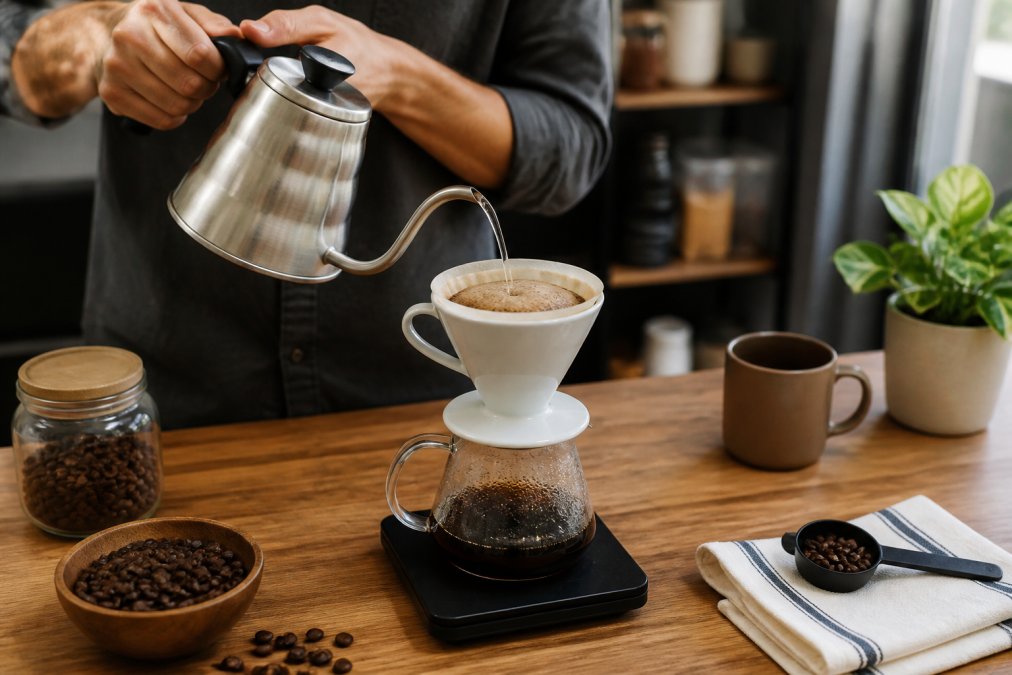
The brewing ratio is 1:16 by weight, one part coffee to sixteen parts water.
Freshness and Shelf Life: Why Roast Date Matters
Coffee begins losing flavor immediately after roasting. The first 24 hours are critical, volatile aromatic compounds are still settling. Days 3-14 after roasting represent peak flavor. After two weeks, the coffee tastes noticeably flatter. After four weeks, it's stale.
Is Specialty Coffee Worth the Extra Cost?
The answer depends on what you value.
If you drink coffee for caffeine and don't care about flavor nuance, specialty coffee isn't worth the premium. Commodity coffee delivers caffeine just fine. The cost difference adds up for a daily drinker. That's real money.
Conclusion
Specialty coffee is worth the extra cost if you value flavor clarity, freshness, and sourcing transparency. The 80-point quality standard isn't marketing, it's a measurable difference you'll taste. Single-origin beans deliver distinct flavor profiles tied to their origin. Roast dates matter because coffee degrades quickly. The cost-per-cup difference is smaller than the per-pound price suggests, especially when you factor in the density and flavor of specialty beans.
Frequently Asked Questions
What is the difference between specialty coffee and commercial coffee?
Specialty coffee scores 80 points or higher on the SCA 100-point scale, with traceable sourcing and careful processing. Commercial coffee is typically commodity-grade, blended from multiple origins with no traceability, prioritizing volume and consistency over flavor complexity. Specialty beans are hand-picked and processed with precision; commercial beans are machine-harvested and often include lower-grade or defective beans.
Does specialty coffee require special brewing equipment?
No. While specialty coffee benefits from proper brewing technique, you don't need expensive equipment. A simple pour-over cone, French press, or standard drip machine works well. What matters is water temperature (195-205°F), brew time, and grind size. Many specialty coffee enthusiasts start with basic equipment and upgrade gradually as they develop their palate.
How much does specialty coffee cost per cup compared to regular coffee?
Pricing depends on quantity, roast date, and delivery, so compare costs directly on Black Cat Coffee Co.'s website. Generally, specialty single-origin beans cost more upfront than commercial coffee, but the per-cup cost varies based on brewing method and yield. Freshness and flavor clarity often mean you use less coffee per brew, offsetting higher bean prices.
Why is single-origin coffee more expensive?
Single-origin beans come from a specific farm or region, requiring direct relationships, traceability, and quality control at every step. Hand-picking, careful processing, and smaller batch sizes increase labor costs. The SCA cupping process to verify quality grade adds expense. In contrast, commercial blends use commodity beans from multiple sources, allowing lower costs through volume purchasing and minimal oversight.
Black Cat Coffee Co. offers roasted-to-order specialty coffee designed to arrive at peak freshness. Our single-origin beans are carefully sourced from trusted farms and scored using SCA standards. Every order is roasted specifically for you, ensuring maximum flavor and aroma in every cup. Shop Coffee and experience the difference that specialty sourcing and fresh roasting make.