

How to Identify High Quality Coffee: A 2026 Guide
Table of Contents
- The Coffee Roast Date Importance and Freshness Window
- Visual Inspection: What High-Quality Coffee Beans Look Like
- Signs of Stale Coffee Beans and Oxidation Markers
- Aroma and Sensory Evaluation: The Cupping Method
- Specialty Coffee vs Commercial Coffee: What Sets Them Apart
- Packaging, Storage, and Brewing Method Impact
- How to Identify High Quality Coffee: Your Action Checklist
- Frequently Asked Questions
Last Updated: September 27, 2026
The Coffee Roast Date Importance and Freshness Window
To identify high quality coffee, the roast date is the single most critical indicator you should check. Coffee begins to lose its flavor complexity and aromatic compounds within days of roasting, with the most dramatic decline occurring in the first two to three weeks (Coffee Decoded: What is “freshly roasted” coffee?). This is why identifying high quality coffee starts with understanding when those beans left the roaster.
Unlike commodity coffee that sits in warehouses for months, specialty coffee prioritizes freshness. When you're evaluating beans, the roast date tells you whether you're getting coffee at its peak or coffee that's already past its prime. A bag roasted three weeks ago will taste noticeably different from one roasted three days ago, even if they came from the same farm.
The ideal window for brewing is between 5-30 days post-roast. Within the first five days, beans are still actively degassing, releasing CO2 that can interfere with extraction. After 30 days, the coffee has begun to stale noticeably, though it remains drinkable. Beyond 60 days, oxidation markers become visible and the sensory experience flattens considerably.
Black Cat Coffee Co. specializes in roasted-to-order coffee specifically because this freshness window matters. When you order, your beans are roasted within days of shipment, ensuring you receive coffee at its optimal flavor stage. This approach directly addresses one of the most common objections from customers switching from mass-market options: the tangible difference between fresh and aged coffee is immediately apparent in the cup.
Visual Inspection: What High-Quality Coffee Beans Look Like
Color, Density, and Even Coloration
High-quality coffee beans display a consistent, rich brown color across the entire batch. This even coloration indicates uniform roasting and proper bean density. When you pour beans from a bag, you should see minimal variation in shade, the hallmark of beans that were roasted at the right temperature for the right duration.
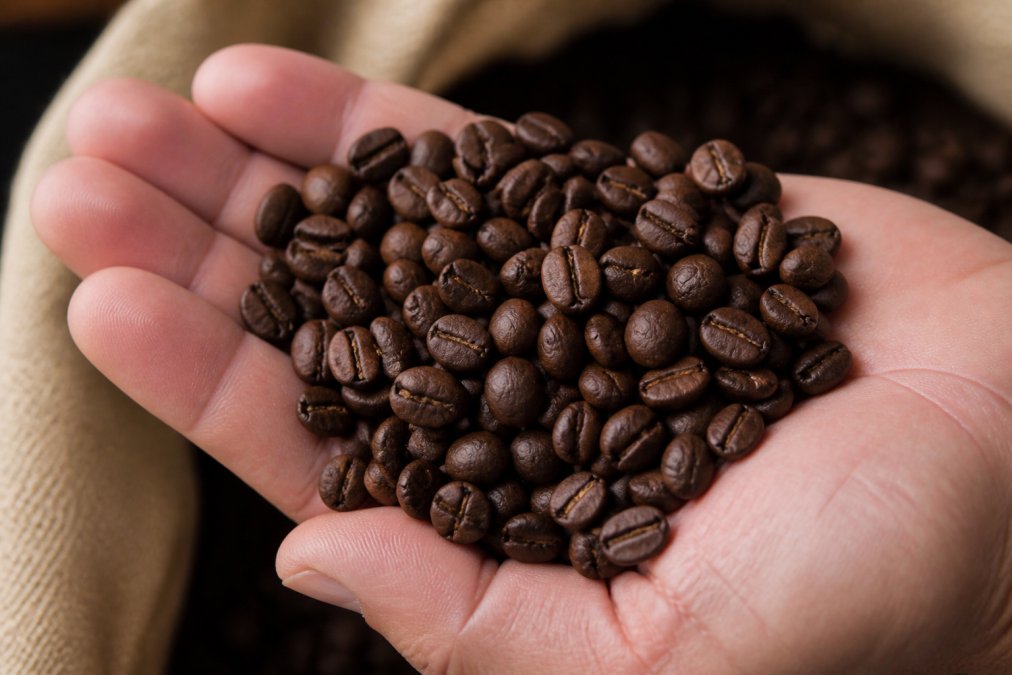
Bean density matters more than most people realize. Denser beans, typically from higher-altitude farms, contain more soluble solids and produce more complex flavors. Visually, dense beans appear slightly smaller and more compact than lower-density beans, though the difference is subtle. A matte finish on the bean surface is another quality indicator, it suggests the roaster controlled the roasting profile carefully, avoiding over-roasting that creates an oily sheen.
Look for a uniform matte finish across all beans. Inconsistent sheen suggests uneven roasting temperatures or poor bean quality at origin.
Identifying Bean Defects and Damage
Defects are the easiest visual quality markers to spot. Broken beans, chips, and cracks indicate either poor handling during harvest or low-quality sorting at the mill. A single damaged bean in a small handful is acceptable; multiple defects suggest the batch wasn't properly processed.
Signs of Stale Coffee Beans and Oxidation Markers
Stale coffee develops distinctive visual and sensory markers. The most obvious is a dull, chalky appearance on the bean surface. Fresh beans have a subtle sheen; stale beans look flat and lifeless. This dulling happens as oils oxidize and the bean loses moisture over time.
Aroma and Sensory Evaluation: The Cupping Method
Aroma evaluation is central to how specialty coffee professionals assess quality. The cupping method, used by coffee experts worldwide, relies heavily on smell as the primary quality indicator. When you cup coffee, you're performing the same sensory analysis that determines how beans are graded and priced at origin.
Specialty Coffee vs Commercial Coffee: What Sets Them Apart
Single Origin and Processing Methods
Single origin coffee comes from a specific farm, region, or country, allowing you to taste how terroir, altitude, climate, soil, influences flavor. Commercial blends combine beans from multiple origins, often chosen for consistency and cost rather than distinctive flavor. Single origin coffees showcase varietal characteristics and processing nuances that blends obscure.
Transparency, Sourcing, and Ethical Certifications
Transparency in sourcing separates specialty roasters from commercial operations. Quality roasters provide specific information: the farm name, the farmer's name when possible, altitude, processing method, and harvest date. This level of detail allows you to make informed choices and understand exactly what you're purchasing.
Packaging, Storage, and Brewing Method Impact
Valve Packaging and Shelf Life
Valve packaging is the industry standard for specialty coffee because it allows degassing while preventing oxidation. The one-way valve lets CO2 escape without allowing oxygen to enter, extending shelf life significantly. Bags without valves trap CO2, creating pressure that can rupture the seal, or allow excessive oxygen exchange, accelerating staling.
How Water Quality and Brewing Method Affect Perceived Quality
Water quality directly impacts how coffee flavors extract. Hard water with high mineral content extracts differently than soft water, sometimes pulling out more bitter compounds (Water and the Taste of Coffee). Water temperature, grind size, and brew time all interact with bean characteristics to determine final flavor. The same beans brewed in different ways can taste noticeably different.
How to Identify High Quality Coffee: Your Action Checklist
Use this checklist when evaluating any coffee purchase to ensure you're getting high-quality beans:
| Evaluation Point | What to Check | Red Flag |
|---|---|---|
| Roast Date | Printed clearly on bag; within 30 days | No date or older than 60 days |
| Color & Finish | Even brown tone, matte finish | Inconsistent color, oily sheen |
| Bean Defects | Few or no visible chips, cracks, holes | Multiple damaged beans visible |
| Aroma | Complex, vibrant, inviting | Musty, flat, or cardboard-like |
| Packaging | Opaque with one-way valve | Clear bag or no valve |
| Sourcing Info | Farm name, altitude, processing method listed | Generic "blend" with no details |
| Price Point | Reflects specialty sourcing and roasting | Suspiciously cheap for claimed quality |
Frequently Asked Questions
Why does the coffee roast date matter when identifying quality coffee?
The roast date determines freshness and flavor potential. Coffee beans begin losing volatile aromatic compounds and developing oxidation immediately after roasting. Beans roasted within 2-4 weeks deliver peak flavor, aroma, and acidity. Older beans taste flat and bitter. High-quality roasters always print roast dates on packaging; if there's no date, the coffee is likely stale or from a commercial supplier prioritizing shelf stability over taste.
What are the visual indicators of high-quality coffee beans?
Look for even coloration, a uniform dark brown or chocolate shade with no pale or gray spots. High-quality beans show consistent density with minimal visible defects like cracks, insect damage, or foreign material. Whole beans should have a slight sheen or matte finish depending on roast level, but never appear dull or chalky. Single-origin specialty beans often have visible characteristics tied to their altitude and processing method, while commercial blends may appear more uniform but lack the complexity markers.
How can you tell if coffee beans are stale just by looking at them?
Stale beans appear dull, chalky, or grayish rather than glossy or matte. They may have a wrinkled surface or visible cracks from moisture loss. Oxidation causes discoloration or uneven browning. When you open the bag, stale coffee has minimal aroma, fresh, high-quality beans release a strong, complex fragrance immediately. If the smell is weak, musty, or absent, oxidation has progressed significantly and flavor will be compromised.
Is specialty coffee actually better than commercial coffee?
Specialty coffee differs fundamentally in sourcing, processing, and roasting. Specialty roasters source directly from farms, emphasize single-origin beans, and roast smaller batches to highlight flavor notes. Commercial coffee prioritizes consistency, shelf stability, and cost, often blending beans from multiple origins and using longer roasts that mask defects but flatten complexity. Specialty beans show measurable differences in acidity, body, balance, and aftertaste. If you taste a high-quality single-origin roasted within weeks, the difference in flavor depth becomes immediately obvious.
What role does packaging play in coffee quality?
Packaging protects beans from light, oxygen, and moisture, the three enemies of freshness. Valve packaging (one-way degassing valves) allows CO2 to escape after roasting without letting oxygen in, extending shelf life while maintaining quality. Transparent bags expose beans to light, accelerating oxidation. Airtight, opaque bags with printed roast dates indicate a roaster serious about freshness. Compostable or premium packaging often signals a specialty roaster committed to quality and sustainability, though the packaging itself doesn't guarantee quality, the roast date and sourcing transparency do.
What does the 15-15-15 rule mean for coffee quality?
The 15-15-15 rule refers to ideal storage conditions: keep coffee at 15°C (59°F) or below, away from light, in a container with 15% or less humidity. These conditions slow oxidation and preserve aromatic compounds. The more practical rule: store beans in an airtight, opaque container away from heat and light, and use them within 2-4 weeks of the roast date. Freezing can help extend shelf life if done properly, though it's a last resort for beans you won't use quickly.
How does water quality affect the taste of high-quality coffee?
Water makes up 98% of brewed coffee, so its mineral content, pH, and purity directly impact extraction and flavor. Hard water (high minerals) can over-extract, making coffee bitter. Soft water (low minerals) under-extracts, resulting in weak, sour coffee. Chlorine or other contaminants mask delicate flavor notes. Specialty coffee roasters often recommend filtered or mineralized water to achieve the balance needed to highlight the acidity, body, and flavor notes their beans offer. Even exceptional beans taste flat or off in poor water.