

Fresh Coffee Delivery: A Guide to Small-Batch Roasters
Table of Contents
- Why Fresh Coffee Delivery Matters
- Benefits of Freshly Roasted Coffee
- How to Buy Small Batch Coffee Beans Online
- Whole Bean vs. Ground Coffee for Delivery
- How to Store Coffee Beans for Maximum Freshness
- Brewing Methods for Fresh Coffee at Home
- Local Roasters and Subscription Options
- Sustainability and Ethical Sourcing in Fresh Coffee
- Frequently Asked Questions
Last Updated: September 22, 2026
Why Fresh Coffee Delivery Matters
Stale coffee loses volatile compounds that create flavor, aroma, and complexity. Fresh coffee delivery preserves these compounds, delivering noticeably better taste.
Black Cat Coffee Co. specializes in roasted-to-order small-batch coffee that ships within days of roasting, preserving natural character and delivering specialty café quality at home.
Benefits of Freshly Roasted Coffee
Coffee roasted within two weeks retains complexity that older beans cannot. Beans begin losing volatile aromatic compounds immediately after roasting.
Fresh coffee delivery delivers vibrant flavor, pronounced aromatics, and more forgiving extraction that produces consistent results even with imperfect technique.
Fresh beans release CO2 gradually, affecting water movement through grounds and giving you better control over extraction.
How to Buy Small Batch Coffee Beans Online
Identify roasters who publish roast dates prominently and ship quickly after roasting, a sign of genuine freshness commitment.
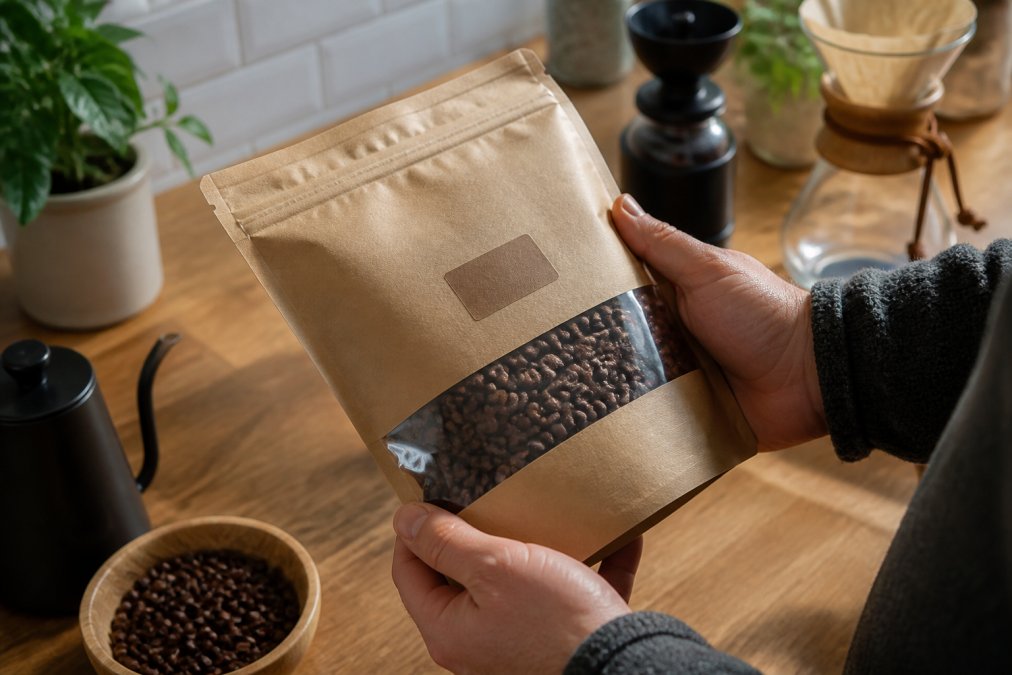
Look for roasters offering both single-origin and blended options. Single-origin showcases terroir; blends offer consistency.
Choose whole bean for longer freshness and grind-size control, or pre-ground for convenience (though it oxidizes faster).
What to Look for in a Small-Batch Roaster
The best roasters publish roast dates, ship within days of roasting, source directly from named farms, and explain their roasting philosophy.
Avoid roasters hiding roast dates or using only marketing language. Legitimate roasters provide tasting notes: acidity, body, flavor descriptors, and how the coffee evolves.
Check for freshness guarantees (typically 30-60 days from roast date), which signal confidence in the roaster's process.
Single-Origin vs. Blended Beans
Single-origin coffee expresses unique characteristics of place, altitude, soil, climate, processing. Taste the difference between Ethiopian natural-process and Colombian washed coffees.
Blends combine multiple origins for balanced acidity, body, and consistency across roasts.
Single-origin suits pour-over and specialty methods; blends suit espresso and everyday brewing.
Whole Bean vs. Ground Coffee for Delivery
Whole bean stays fresh longer than pre-ground. Ground coffee degrades noticeably within hours due to increased surface area and oxidation.
Grind whole bean fresh at home just before brewing. A burr grinder ($30-$200) gives essential control over grind size.
Pre-ground offers convenience but use within a few days in an airtight container away from light and heat.
Black Cat Coffee Co. offers whole bean and pods, whole bean maximizes freshness, pods provide grab-and-go convenience.
How to Store Coffee Beans for Maximum Freshness
Storage conditions determine freshness. Combat oxidation, moisture, and heat exposure.
Store in an airtight container in a cool, dark cupboard at room temperature. Avoid sunlight, heat, and cold storage.
Use coffee within two to three weeks of roast date for optimal flavor. After that, use for cold brew or espresso, which tolerate older beans.
Buy quantities you'll use within three weeks to avoid staling.
Brewing Methods for Fresh Coffee at Home
Match your beans to your brewing method to maximize fresh coffee delivery's value.
Brewing Method Compatibility Guide
Pour-Over (Chemex, V60, Kalita Wave)
Pour-over offers precise control over temperature, pour speed, and timing, ideal for highlighting single-origin differences. Requires medium-fine grinds and active participation (3-4 minutes).
Best bean choice: Single-origin coffees with bright acidity. Ethiopian naturals, Kenyan washed, and Central American microlots shine.
Grind size: Medium-fine (sea salt texture). Too coarse = under-extraction (sour, thin); too fine = over-extraction (bitter).
Freshness window: 5-21 days post-roast. Younger beans release CO2 aggressively; older beans lose aromatic complexity.
French Press
French press steeps grounds for 4 minutes, then presses with a metal filter that allows oils into your cup, producing heavier body and fuller mouthfeel than paper-filtered methods.
Best bean choice: Medium roasts and blends emphasizing body and sweetness. French press tolerates older beans better than pour-over.
Grind size: Coarse (breadcrumbs). Too fine creates gritty sediment.
Freshness window: 7-30 days post-roast. Immersion method tolerates older beans, making French press ideal for larger orders.
AeroPress
AeroPress combines immersion and pressure in 30 seconds, producing clean cups with good body, lighter than French press, cleaner than espresso.
Best bean choice: Blends and medium roasts. AeroPress is forgiving with technique; single-origins work but don't showcase subtle notes as clearly as pour-over.
Grind size: Medium-fine. Pressure provides flexibility in grind size.
Freshness window: 5-25 days post-roast. Quick extraction tolerates older beans; fresher beans produce brighter cups.
Espresso Machine
Espresso forces water through finely ground coffee under 9+ bars of pressure in 25-30 seconds, producing intense flavor and crema. Requires the most skill.
Best bean choice: Medium to dark roasts and espresso blends. Ask your roaster which beans they recommend for espresso.
Grind size: Very fine (powdered sugar). Too coarse = under-extraction (10 sec); too fine = over-extraction (45+ sec, bitter).
Freshness window: 6-21 days post-roast (narrowest window). Younger beans cause channeling; older beans produce thin shots. Espresso drinkers benefit most from subscription delivery.
Grind Size and Brewing Compatibility
Grind size controls water movement: finer grinds slow extraction, coarser grinds speed it.
Match your grind size to your brewing method:
- Espresso: Very fine (powder)
- Pour-over: Medium-fine (sea salt)
- AeroPress: Medium-fine to medium
- French press: Coarse (breadcrumbs)
- Cold brew: Very coarse (peppercorns)
Incorrect grind size is the most common brewing mistake. Over-extracted = bitter; under-extracted = sour. Grind size matters more than any other variable.
Ask your roaster for grind-size recommendations. Most grind to order, but whole bean stays fresher longer if you have a home grinder.
Investing in a Burr Grinder
A burr grinder ($30-$200+) gives control over grind size and consistent particle size for even extraction.
A burr grinder is worth the investment. A $50 electric grinder with fresh beans outperforms premium pre-ground coffee.
Without a grinder, ask your roaster to grind at order. Use within 3-5 days.
Local Roasters and Subscription Options
Local roasters offer subscription services with faster shipping than national chains, directly improving freshness.
Subscription Model Comparison
Compare subscription cost per bag, delivery frequency, and autopilot flexibility.
Frequency and Flexibility Most offer 2-week, 3-week, or monthly intervals with pause/skip options. Flexibility matters if consumption varies or you want to experiment.
Cost Structure Subscription discounts typically range from 5% to 15% off single-bag pricing. A roaster charging $18 per bag might offer subscriptions at $16 per bag (11% discount), while another charges $20 per bag with a 10% subscription discount ($18). Over a year, this difference compounds. Calculate your annual spend at each frequency level before committing.
Delivery Speed and Freshness Window Local delivery within the region typically arrives 3-5 days after roasting. National shipping takes 5-7 days. This matters because coffee peaks in flavor 5-14 days post-roast. A bag arriving on day 5 gives you a 9-day optimal window; a bag arriving on day 7 gives you a 7-day window.
Local Roasters in the Region
Black Cat Coffee Co. provides roasted-to-order fresh coffee delivery with flexible subscription options. You control frequency and can adjust or pause orders anytime without penalty. Our roasted-to-order model guarantees your coffee ships within 48 hours of roasting, maximizing the freshness window.
Why Local Delivery Beats National Shipping for Freshness
The "fresh" in fresh coffee delivery depends partly on logistics. Local roasters ship within the region, cutting transit time by 2-3 days compared to national shipping. If a national roaster roasts on Monday and ships Tuesday, your coffee arrives Friday (4 days post-roast). A local roaster roasting Wednesday can deliver Friday (2 days post-roast). That 2-day difference extends your optimal flavor window significantly.
Roast Dates and Freshness Guarantees
A roast date is non-negotiable. It tells you exactly how old your coffee is. Roasters who don't print roast dates are hiding something, usually that their coffee has been sitting around for weeks or months.
Sustainability and Ethical Sourcing in Fresh Coffee
Coffee sourcing matters both for quality and for impact. Specialty roasters increasingly work directly with farms, paying prices that support sustainable practices and fair wages.
Frequently Asked Questions
How does roast-to-order fresh coffee delivery work?
Roast-to-order coffee is roasted after you place your order, then shipped directly to you at peak freshness. Small-batch roasters roast beans in smaller quantities to preserve flavor complexity and aroma. The coffee reaches your door within days of roasting, rather than sitting in warehouse inventory for weeks. This method captures the natural character of beans from trusted farms and ensures you receive coffee at its optimal flavor window.
What are the main benefits of freshly roasted coffee?
Freshly roasted coffee delivers superior flavor clarity, aroma, and body compared to mass-produced alternatives. Within the first two weeks after roasting, beans release their full flavor profile and aromatic compounds. Small-batch roasting preserves the unique characteristics of each origin, whether single-origin or blended. Fresh coffee also contains more volatile oils that create a richer, smoother cup. The roast date on your bag guarantees you know exactly when your coffee was roasted, not when it was packaged months earlier.
Should I buy whole bean or ground coffee for delivery?
Whole bean coffee stays fresher longer because the beans retain their volatile oils and flavor compounds until grinding. Ground coffee begins losing freshness immediately after grinding due to increased surface area exposure to oxygen. If you receive whole bean coffee, grind it just before brewing for maximum flavor. If you don't have a grinder, ask your roaster to grind to your specific brew method when you order. Most small-batch roasters offer custom grinding at no extra cost.
How long does fresh roasted coffee stay at peak flavor?
Peak flavor window for fresh roasted coffee typically lasts 2-4 weeks after the roast date. The coffee remains drinkable longer, but flavor complexity and aroma decline over time as oils oxidize. Store beans in an airtight container away from heat and light to extend freshness. Buying from a local roaster with fast delivery ensures your coffee arrives early in this peak window. Check the roast date on the bag and plan your purchase timing accordingly for the freshest possible cup.