

7 Ethical Coffee Brands Supporting Animals in 2026
Table of Contents
- How We Evaluated These Ethical Coffee Brands
- Quick Comparison: Top Ethical Coffee Brands for Animal Lovers
- 1. Diving Moose Coffee: Direct Donations to Wildlife Conservation
- 2. Birds & Beans: Smithsonian-Certified Bird Friendly Coffee
- 3. Sanctuary Coffee: Profits Supporting Animal Rescues
- 4. Tiny Footprint Coffee: Carbon-Negative and Reforestation-Focused
- 5. Grounds for Change: Fair Trade and Bird-Friendly Certifications
- 6. Café Mam: Supporting Indigenous Farmers and Shade-Grown Habitats
- How to Choose Sustainable Coffee Brands That Match Your Values
- Why Supporting Wildlife Through Coffee Matters
- Frequently Asked Questions
Last Updated: September 9, 2026
Choosing coffee that aligns with your values used to mean a simple choice between fair trade and organic. Today, a growing number of roasters are proving that a morning cup can also fund wildlife conservation, protect migratory bird habitats, and support animal rescues. In this guide, we've evaluated ethical coffee brands supporting animals that back their mission with verifiable actions, not just marketing language.
Many brands slap a leaf on the bag and call it sustainable, but few can show exactly where the money goes. We dug into donation structures, third-party certifications, and sourcing practices to find roasters that make a measurable difference for animals, and highlight six leading the way in conservation and rescue work.
How We Evaluated These Ethical Coffee Brands
Most roundups of ethical coffee brands rely on self-reported mission statements. We built a standardized rubric scoring each roaster on verifiable actions across three pillars: Donation Transparency (40%), Third-Party Certification (35%), and Sourcing Practices (25%).
Donation Transparency (40% of Score)
This is the metric where most brands fail. We looked for three elements:
-
Named partner organizations, A brand must identify exactly which nonprofit, rescue, or conservation group receives its funds. Vague claims without a named recipient scored zero.
-
Quantified contribution model, We prioritized brands using a fixed per-bag donation (e.g., $1 per bag) or a published percentage of profits. Brands that could not articulate their giving structure scored lower.
-
Public verification, Brands that publish annual impact reports, share receipts, or link to their nonprofit partners' acknowledgment letters received the highest scores. A common pattern among greenwashers is claiming donations without any public trail.
Third-Party Certification (35% of Score)
Certifications provide independent accountability that self-reported claims cannot match. We weighted them by audit rigor:
-
Smithsonian Bird Friendly, The gold standard. Requires third-party verification of at least 40% shade cover, native tree diversity, and organic certification (nationalzoo.si.edu). Only about 2% of coffee farms worldwide meet these standards (nationalzoo.si.edu).
-
Fair Trade Certified, Verifies farmer wages and labor conditions through independent audits, though it does not directly address wildlife habitat.
-
USDA Organic, Confirms no synthetic pesticides or fertilizers, which protects soil health and reduces chemical runoff into nearby habitats.
-
Rainforest Alliance, Covers a broad set of environmental and social criteria, though its shade requirements are less stringent than Bird Friendly.
We gave no credit for generic "eco-friendly" or "sustainably sourced" claims without a certifying body behind them.
Sourcing Practices (25% of Score)
Beyond certifications, we examined how farming partnerships affect local ecosystems. Shade-grown coffee, cultivated under a native tree canopy, preserves biodiversity and provides critical habitat for migratory birds. Sun-grown monoculture requires forest clearing and heavy chemical inputs. We also considered whether brands work directly with farming cooperatives versus anonymous commodity brokers, since direct relationships enable better environmental oversight.
Our Transparency Score
To address the industry-wide lack of public accountability, we assigned each brand a Transparency Score from 1 to 10 based on how easily a consumer could verify claims. A score of 10 meant the brand published detailed impact reports with named partners and specific dollar amounts; a score of 1 meant vague language with no verifiable trail. The brands below all scored at least 7 out of 10, meaning you can trace their claims through public documentation.
Quick Comparison: Top Ethical Coffee Brands for Animal Lovers
The table below summarizes how each brand stacks up across our key evaluation criteria.
| Brand | Starting Price | Animal Support Focus | Key Certification | Best For |
|---|---|---|---|---|
| Diving Moose Coffee | $18.00 per bag | Wildlife conservation donations | Sustainable sourcing | Direct conservation funding |
| Birds & Beans | $16.95 per bag | Migratory bird habitat | Smithsonian Bird Friendly | Avian habitat preservation |
| Sanctuary Coffee | $13.00 per bag | Animal rescue organizations | Vegan supply chain | Rescue and shelter support |
| Tiny Footprint Coffee | $15.99 per bag | Reforestation projects | Organic, shade-grown | Carbon footprint offsetting |
| Grounds for Change | $17.50 per bag | Bird-friendly farming | Fair Trade, Organic | Comprehensive ethical sourcing |
| Café Mam | $14.50 per bag | Indigenous farming habitats | Fair Trade, Organic | Community and habitat support |
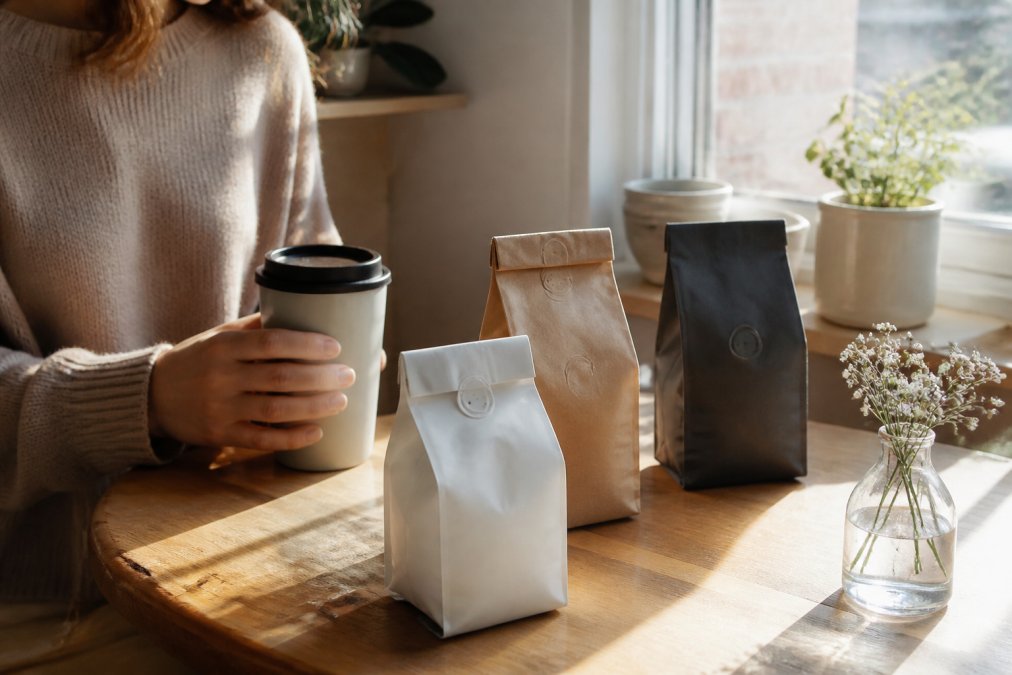
1. Diving Moose Coffee: Direct Donations to Wildlife Conservation
Diving Moose Coffee takes a straightforward approach: a portion of every bag sold goes directly to wildlife conservation organizations. The roaster focuses on small-batch production for tighter quality control and a more transparent supply chain.
Rather than pooling funds into a general corporate social responsibility budget, Diving Moose directs contributions to specific conservation groups working on the ground, offering a clear line from your cup to conservation efforts.
The tradeoff is distribution: limited retail availability means you will likely need to order online. The $18.00 per bag price reflects small-batch roasting costs and the donation built into each purchase.
2. Birds & Beans: Smithsonian-Certified Bird Friendly Coffee
Birds & Beans operates with a singular focus: protecting migratory bird habitats through certified shade-grown coffee. Every bean carries the Smithsonian Bird Friendly certification, the gold standard for avian conservation in coffee farming.
This certification requires coffee grown under a diverse native tree canopy with at least 40% shade cover, providing essential habitat for migratory songbirds. Farms must also be certified organic, eliminating pesticides that harm birds and other wildlife. For consumers focused on avian habitat preservation, this dual requirement makes Birds & Beans a rigorous choice.
The certification process carries real costs, reflected in the $16.95 per bag pricing. You are paying a premium for verified ecosystem health, not just a marketing label. If bird conservation is your primary concern, this brand delivers the strongest third-party verification available.
3. Sanctuary Coffee: Profits Supporting Animal Rescues
Sanctuary Coffee aligns its entire business model with animal welfare, directing profits to support animal rescues and sanctuaries. The brand maintains a vegan and cruelty-free supply chain and uses eco-friendly packaging, extending its mission beyond the donation line.
For animal welfare advocates, this is the most direct alignment with rescue efforts. The brand's clear mission is backed by a fixed commitment to donating profits, though specific organizations and amounts vary.
At $13.00 per bag, Sanctuary Coffee is the most affordable option here. The smaller retail presence means most purchases happen through their website, where subscription options maintain a steady stream of support for rescue organizations.
4. Tiny Footprint Coffee: Carbon-Negative and Reforestation-Focused
Tiny Footprint Coffee takes a broader environmental approach, operating as a carbon-negative roaster that donates a portion of profits to reforestation projects. Their primary partner is the Mindo Cloudforest Foundation, which restores cloud forest ecosystems in South America.
While the animal connection is indirect, reforestation directly creates habitat for countless species. Cloud forests are among the most biodiverse ecosystems on the planet, and every acre restored provides shelter for birds, mammals, and insects. The brand also offers organic and shade-grown options.
The $15.99 per bag starting price applies to their wide variety of roasts, with subscription options available. Shipping costs may apply depending on order size, adding to the expense for smaller orders.
5. Grounds for Change: Fair Trade and Bird-Friendly Certifications
Grounds for Change approaches ethical sourcing comprehensively, holding both Fair Trade and Organic certifications while operating a carbon-neutral roasting facility. The brand also supports bird-friendly farming practices, creating a multi-layered approach to sustainability.
This combination addresses both social and environmental justice. Fair Trade ensures farmers receive fair compensation, while organic farming protects soil, water, and wildlife in growing regions. The carbon-neutral facility reduces climate impact, indirectly benefiting animal populations threatened by habitat loss.
The $17.50 per bag price reflects the cost of maintaining multiple certifications and ethical labor standards. For consumers seeking a comprehensive approach, Grounds for Change delivers transparency across the entire supply chain.
6. Café Mam: Supporting Indigenous Farmers and Shade-Grown Habitats
Café Mam sources 100% organic, fair trade coffee from indigenous Mayan cooperatives, creating a direct economic link between your purchase and community support. Its shade-grown methods preserve the forest canopy that serves as critical habitat for wildlife.
What distinguishes Café Mam is its farmer-owned structure. By purchasing from indigenous cooperatives rather than large plantations, the brand ensures profits flow back to the communities doing the farming work, supporting both biodiversity and economic justice.
The $14.50 per bag starting price makes Café Mam one of the more accessible organic options. The tradeoff is limited roast variety, but the quality of ethically sourced beans and direct support for small-scale farmers more than compensates for most buyers.
How to Choose Sustainable Coffee Brands That Match Your Values
Selecting the right roaster comes down to identifying which aspect of animal welfare matters most to you. If your priority is direct wildlife conservation funding, Diving Moose's transparent donation model offers the clearest connection. For bird habitat preservation, the Smithsonian certification behind Birds & Beans provides unmatched third-party verification.
Sanctuary Coffee stands out for those focused on rescue animals and shelters, while Tiny Footprint addresses broader habitat restoration through reforestation. Grounds for Change and Café Mam both deliver comprehensive ethical sourcing, with Café Mam offering the added benefit of direct indigenous community support.
A common mistake is assuming all "shade-grown" or "bird-friendly" labels carry equal weight. Look for specific certifications rather than generic claims. The Smithsonian Bird Friendly label requires documented shade cover and organic practices, while a simple "shade-grown" claim without certification may not meet those standards.
Why Supporting Wildlife Through Coffee Matters
The connection between coffee farming and animal welfare runs deeper than most consumers realize. Coffee is grown in some of the most biodiverse regions on Earth, the tropics, so farming decisions directly shape whether wildlife thrives or disappears.
The Sun-Grown vs. Shade-Grown Divide
Traditional coffee cultivation in the Americas, Africa, and Asia occurred under a forest canopy. Coffee plants are naturally understory shrubs that evolved to grow in shade. But starting in the 1970s, agricultural development programs pushed farmers toward sun-tolerant hybrid varieties requiring full sun and heavy chemical inputs. This shift, known as the "technification" of coffee, had devastating ecological consequences.
Sun-grown coffee plantations require clearing native forest, which eliminates the layered canopy structure that supports diverse wildlife. Smithsonian Migratory Bird Center research has documented that shade-grown coffee farms can harbor up to 150 bird species, while sun-grown monocultures typically support fewer than 20. That is a 7x reduction in avian biodiversity directly attributable to farming method.
Beyond Birds: The Full Ecosystem Impact
The wildlife stakes extend far beyond migratory songbirds. Shade-grown farms function as biological corridors, connecting fragmented forest patches and allowing mammals, reptiles, and insects to move between habitats. Research from the Smithsonian has shown that shade coffee farms in Colombia and Mexico support significant populations of:
- Resident and migratory birds, including warblers, tanagers, and orioles that winter in coffee-growing regions
- Mammals, including opossums, coatis, and small cats that use shade coffee as secondary habitat
- Pollinators, native bees and other insects that thrive in diverse canopy systems and pollinate both coffee and surrounding crops
- Amphibians and reptiles, species that require leaf litter and humid microclimates found only under intact canopy
The Chemical Cascade
Sun-grown operations rely heavily on synthetic fertilizers, herbicides, and pesticides. These chemicals do not stay on the farm, rainfall carries them into nearby waterways, contaminating aquatic habitats and harming fish, amphibians, and insects. Organic and shade-grown systems eliminate this runoff, protecting downstream ecosystems miles from the farm.
Carbon, Climate, and Habitat
Forest preservation through shade-grown coffee also plays a role in climate regulation. Native tree canopies sequester carbon at rates comparable to intact forest, while sun-grown plantations store significantly less. Since climate change is the single largest long-term threat to wildlife habitat worldwide, choosing coffee that keeps forests standing is a direct climate action.
The Pollinator Connection
Coffee plants themselves depend on insect pollination. Studies show that shade-grown farms with diverse native vegetation produce higher yields and larger beans because they support healthier pollinator populations. The farming method that protects wildlife also produces better coffee, a rare alignment between ecological health and product quality.
Why Your Daily Cup Matters
The average American coffee drinker consumes roughly 3 cups per day, about 25 pounds of coffee beans annually. Every pound of conventional sun-grown coffee represents a measurable contribution to habitat loss. Every pound of certified shade-grown coffee represents the opposite, a direct financial incentive for farmers to maintain forest cover rather than clear it.
When you buy from roasters committed to shade-grown, certified farming, you are not just buying a beverage. You are funding a land-use decision that determines whether a forest stands or falls, whether migratory birds have a winter home, and whether pollinators continue to thrive. That is the real weight of your morning cup.
Frequently Asked Questions
Which coffee brand supports animal rescue?
Several ethical coffee brands support animal rescue efforts. Sanctuary Coffee donates a portion of its profits directly to animal rescue organizations and maintains a vegan, cruelty-free supply chain. Diving Moose Coffee also contributes a share of proceeds to wildlife conservation groups. For cat lovers specifically, checking each brand's website for its current donation partners is the best way to confirm where your money goes.
What certifications should I look for in ethical coffee brands?
Look for third-party certifications that verify a brand's claims. The Smithsonian Bird Friendly certification is the gold standard for habitat preservation, as it requires both organic certification and verified shade-grown farming. Fair Trade certification ensures farmers receive fair wages. For animal welfare, check if the brand is a certified B-Corp or if it publishes transparent impact reports showing donations to specific rescue organizations or conservation charities.
How can I verify if a coffee brand is truly ethical and animal-friendly?
Start by reading the brand's impact reporting or annual transparency statements. Look for specific names of partner organizations and concrete donation amounts or percentages of profits. Check if those claims are verified by third-party certifications like Bird Friendly or B-Corp status. Be wary of vague language like 'a portion of proceeds' without specifics. A truly ethical brand will happily share details about its supply chain, sourcing practices, and the measurable impact of its donations.
Does buying animal-supporting coffee actually make a difference?
Yes, when you choose brands with transparent donation models, your purchase directly funds their giving. For example, Birds & Beans supports Smithsonian research on migratory birds through its certified Bird Friendly coffee sales. Sanctuary Coffee's business model is built around funding animal rescues. While a single bag won't transform a shelter's budget, consistent purchases from mission-driven roasters create a reliable revenue stream that supports habitat preservation, rehabilitation programs, and conservation research.
What is the difference between fair trade and animal-welfare-focused coffee?
Fair Trade certification focuses on economic justice, ensuring farmers in coffee-growing regions receive fair prices and work under ethical conditions. Animal-welfare-focused coffee goes further by addressing the environmental impact of farming on wildlife. For instance, shade-grown coffee preserves tree canopies that migratory birds need, while organic farming protects soil and water sources. The best ethical coffee brands often hold both Fair Trade and environmental certifications, such as Bird Friendly, to address the full picture of sustainability.