

Buy Small Batch Coffee Pods Online: Top Picks
Table of Contents
- What Makes Small Batch Coffee Pods Worth Buying Online
- Quick Comparison: Best Small Batch Coffee Pods
- 1. Black Cat Coffee Co., Best Overall for Roasted-to-Order Freshness
- 2. Mississippi Mud Coffee Compostable Pods, Best for Bold Drinkers
- 3. Fresh Roasted Coffee envipods, Best for Organic and Eco-Certified
- 4. Cambio Roasters Aluminum Pods, Best for Recyclability
- 5. Verena Street Single-Serve Pods, Best for Variety
- 6. Single Cup Club Subscription, Best for Discovery
- Fresh Roasted Coffee Pods: Why Roast Date Matters
- Eco-Friendly Coffee Pods: Compostable vs. Aluminum
- Brewing Optimization Tips for Small Batch Coffee Pods
- Cost-Per-Cup Analysis: Is the Price Difference Real?
- How to Choose the Right Small Batch Coffee Pods for You
- Frequently Asked Questions
Last Updated: September 1, 2026
Most coffee drinkers have no idea how old the coffee inside their pods actually is. At Black Cat Coffee Co., we've watched the small-batch coffee pod market mature into something genuinely exciting, roasters who care deeply about freshness, sustainability, and flavor clarity are now shipping directly to your door. This guide breaks down the best options, what separates them, and how to brew them right.
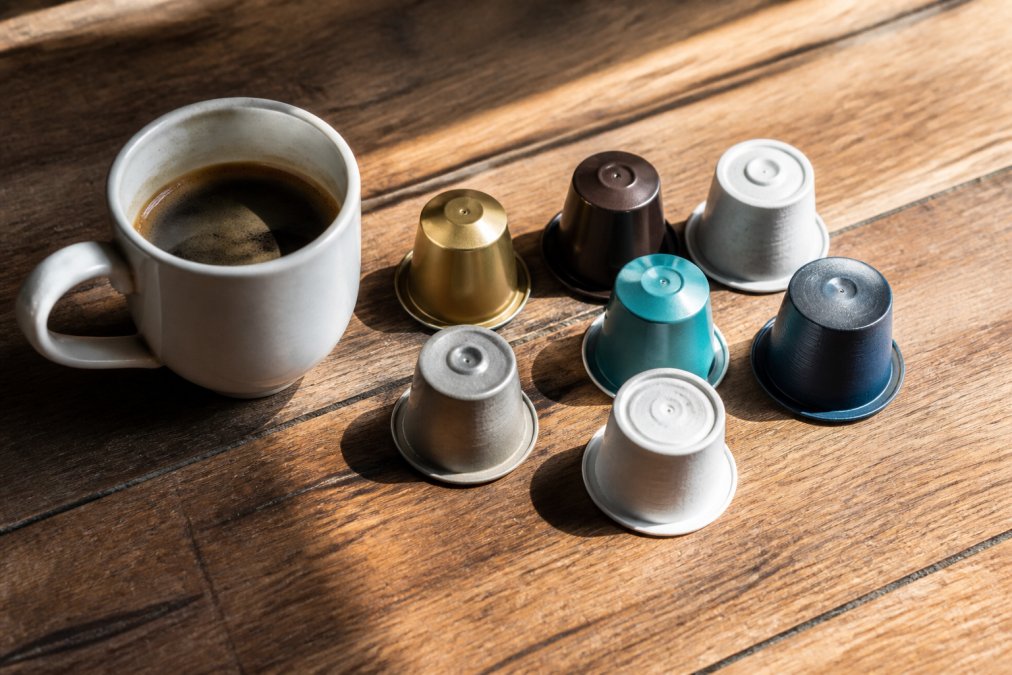
Small batch coffee pods are single-serve capsules filled with specialty grade coffee roasted in limited quantities, typically within days of shipping. The difference from mass-produced alternatives shows up in the cup.
Quick Picks:
- Best Overall: Black Cat Coffee Co., roasted-to-order, wide variety, fast delivery
- Best Compostable Pod: Fresh Roasted Coffee envipods, BPI-certified, USDA Organic
- Best Aluminum Pod: Cambio Roasters, infinitely recyclable, 100% organic
- Best Subscription: Single Cup Club, 15 pods monthly from three rotating roasters
- Best for Bold Flavor: Mississippi Mud Coffee, up to 40% more coffee per pod
What Makes Small Batch Coffee Pods Worth Buying Online
The core advantage of small batch coffee pods is time between roast and cup. Mass-produced pods are typically roasted months before reaching a shelf. Small-batch roasters operate on a fundamentally different timeline.
Roast-to-Order vs. Warehouse Stock
Roast-to-order means your coffee is roasted after you place the order. Freshly roasted coffee releases CO2 for several days post-roast, and the peak flavor window for most roast profiles falls between 7 and 21 days after roasting. Warehouse-stocked pods are often already past that window before they ship.
According to the Specialty Coffee Association's resources on coffee freshness, stale coffee loses aromatic compounds that define origin-specific flavor notes. A pod roasted three days ago and shipped the same week will taste noticeably brighter and more complex than one roasted six months ago.
Specialty Grade vs. Mass-Produced Blends
Specialty grade coffee is defined by the Specialty Coffee Association as green coffee scoring 80 points or above on a 100-point scale. Mass-produced pod coffee rarely meets this threshold. Small-batch roasters source from specific farms or cooperatives, often using direct trade or fair trade relationships that provide traceability and quality control at the farm level.
Quick Comparison: Best Small Batch Coffee Pods
| Brand | Pod Material | Certifications | Best For | Subscription Available |
|---|---|---|---|---|
| Black Cat Coffee Co. | Varies | Ethically sourced | Roasted-to-order freshness | Yes |
| Mississippi Mud Coffee | 100% compostable | Nitrogen-flushed | Bold, high-coffee-volume brew | Yes |
| Danger Coffee | 100% compostable | Lab-tested, mold-free | Health-focused drinkers | No |
| Verena Street | Standard | Rainforest Alliance | Flavored + specialty variety | Yes |
| Fresh Roasted Coffee envipods | Compostable (BPI-certified) | USDA Organic | Eco + health conscious | No |
| San Francisco Bay OneCUP | Plant-based compostable | USDA Organic options | Variety seekers | No |
| Cambio Roasters | Aluminum (recyclable) | 100% Organic | Sustainability-focused | No |
| Beulah Roasting Co. | Standard | Specialty grade | Maximum freshness, origin coffee | No |
| Single Cup Club | Varies (curated) | Varies by roaster | Discovery subscriptions | Yes |
| Odolla Coffee Roasters | Standard | Fresh-packed | Office and bulk buyers | No |
1. Black Cat Coffee Co., Best Overall for Roasted-to-Order Freshness
Black Cat Coffee Co. is the top pick for anyone who wants genuine roasted-to-order small batch coffee pods with a wide selection of blends and single origins. The beans are carefully sourced from trusted farms, roasted to order, and shipped with fast, reliable delivery. The variety is a genuine strength: bold blends, single-origin favorites, and coffee pods all share the same sourcing and roasting philosophy.
Best for: Coffee enthusiasts who prioritize freshness and want a roasted-to-order experience without hunting across multiple roasters.
2. Mississippi Mud Coffee Compostable Pods, Best for Bold Drinkers
Mississippi Mud Coffee fills its pods with up to 40% more coffee than standard pods. The pods are 100% compostable and nitrogen-flushed for freshness preservation. They're compatible with Keurig 2.0, K-Slim, K-Duo, K-Elite, and most other Keurig brewers. Available in 12-count, 24-count, and 48-count boxes with subscription options.
One limitation: compostable pods require commercial composting facilities for optimal breakdown.
3. Fresh Roasted Coffee envipods, Best for Organic and Eco-Certified
The envipods from Fresh Roasted Coffee carry BPI-certified commercially compostable materials and USDA Certified Organic coffee. The pods are nitrogen-flushed for freshness and tested for mold, mycotoxins, and pesticides. The larger filter and increased coffee per pod improve extraction compared to standard pod geometry.
4. Cambio Roasters Aluminum Pods, Best for Recyclability
Cambio Roasters uses infinitely recyclable aluminum pods instead of compostable materials. The coffee is 100% organic, small-batch roasted, and sustainably sourced, with 20% profit sharing directed to coffee-growing communities. Aluminum can be recycled indefinitely without quality loss.
Best for: Eco-conscious buyers who prioritize recyclability over compostability and want organic, ethically sourced coffee with transparent community impact.
5. Verena Street Single-Serve Pods, Best for Variety
Verena Street roasts high-grade specialty beans in small batches and offers a range most specialty roasters don't: flavored pods including Butterscotch, Caramel, and Hazelnut alongside traditional roast profiles. Rainforest Alliance Certified options are available. Available in 12-count and 80-count cartons.
The pods aren't explicitly compostable, which is the main trade-off compared to eco-certified options. For buyers where flavor variety and specialty-grade sourcing outweigh packaging sustainability concerns, Verena Street delivers a strong range.
6. Single Cup Club Subscription, Best for Discovery
The Single Cup Club ships 15 small-batch roasted, gourmet single-serve coffee pods monthly, sourced from three different roasters per box. Each box includes two non-flavored roasts and one flavored roast. Compatible with all Keurig and single-cup brewers.
This is the right pick for coffee drinkers who want to explore the specialty roaster landscape without committing to a full bag from any single source.
Fresh Roasted Coffee Pods: Why Roast Date Matters
Fresh roasted coffee pods taste better because roasting triggers chemical reactions that produce aromatic compounds defining a coffee's flavor profile. Those compounds degrade over time, particularly when exposed to oxygen, light, and temperature fluctuation.
Storage and Shelf-Life Science
Most sealed coffee pods have a "best by" date of 12-18 months from roasting, but that reflects minimum acceptable quality, not peak flavor. The practical freshness window for specialty grade coffee is much narrower:
- 0-7 days post-roast: CO2 off-gassing peaks; brewing too early can produce uneven extraction
- 7-21 days post-roast: Peak flavor window for most medium and light roast profiles
- 21-60 days post-roast: Acceptable quality for most dark roast profiles
- 60+ days post-roast: Noticeable flavor flatness and loss of aroma
Nitrogen-flushed packaging, used by Mississippi Mud Coffee and Fresh Roasted Coffee's envipods, extends this window by displacing oxygen inside the pod. According to USDA guidance on food packaging and freshness preservation, modified atmosphere packaging significantly slows oxidative degradation in food products.
When you buy small batch coffee pods online from a roast-to-order operation, you're buying into that 7-21 day peak window. From a warehouse, you're often buying into day 60 or beyond.
Eco-Friendly Coffee Pods: Compostable vs. Aluminum
The sustainability question in the single-serve coffee category is genuinely complicated. Both compostable and aluminum pods have real environmental advantages and real limitations.
Compostable Pods: What the Certifications Actually Mean
BPI-certified means the pod has been independently tested to meet ASTM D6400 standards for commercial compostability. It will break down in a commercial composting facility within a defined timeframe.
USDA Organic certification applies to the coffee inside the pod, not the pod material itself. It means the beans were grown without synthetic pesticides or fertilizers.
The critical distinction most buyers miss: commercially compostable does not mean home-compostable. Commercially compostable materials require sustained high temperatures of industrial composting facilities. In a home compost bin or landfill, they may behave similarly to conventional plastics. According to EPA guidance on composting and organic materials, access to commercial composting infrastructure varies significantly by region.
Aluminum Pods and Recyclability
Aluminum's sustainability case rests on its recyclability profile. Unlike most plastics, aluminum retains full material quality through repeated recycling cycles. The practical barrier is collection, many curbside programs don't process small aluminum items effectively.
Brewing Optimization Tips for Small Batch Coffee Pods
Getting the most from small batch coffee pods requires a few adjustments that standard K-Cup instructions don't mention.
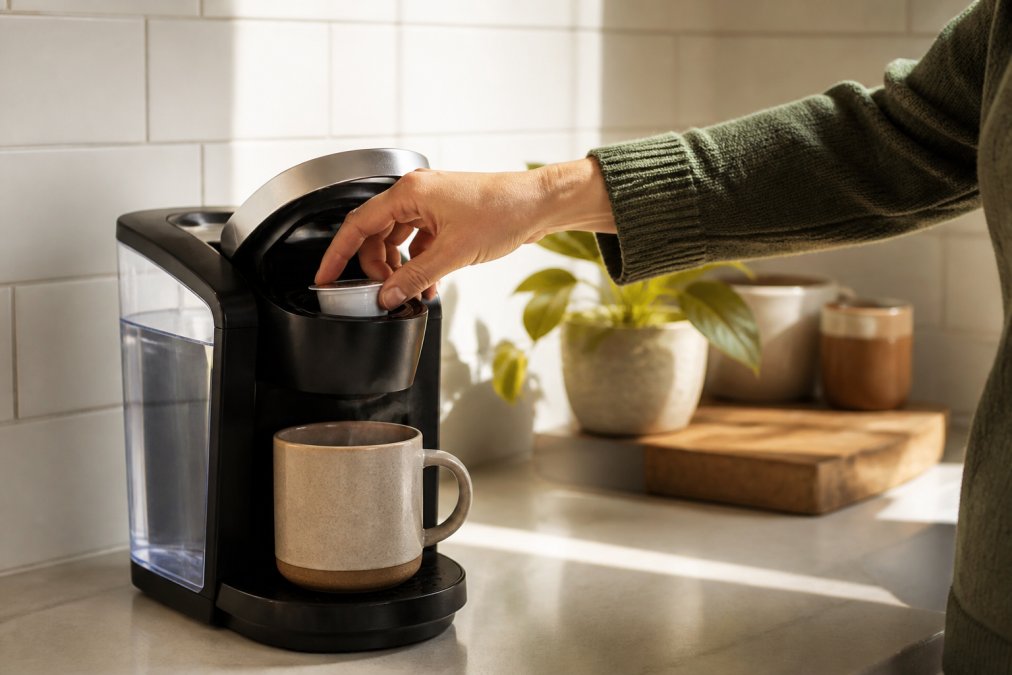
Water temperature: Most Keurig brewers heat water to around 192°F. Specialty coffee extraction generally performs best between 195°F and 205°F. If your brewer has a temperature setting, increase it. If it doesn't, run a rinse cycle immediately before brewing to pre-heat the internal components.
Brew size selection: A small batch coffee pod contains a fixed amount of coffee, typically 10-12 grams. Selecting a larger brew size (12 oz or more) over-extracts that coffee and produces a weak result. Select 6-8 oz for balanced extraction, or 10 oz maximum for a lighter strength preference.
Descale regularly: Mineral buildup inside a single-serve brewer reduces water temperature and flow rate, both of which degrade extraction quality. Descale every 3-6 months depending on your water hardness.
| Variable | Optimal Setting | Common Mistake |
|---|---|---|
| Brew size | 6-8 oz | Selecting 12 oz (over-dilutes) |
| Water temp | 195-205°F | Default 192°F (under-extracts) |
| Descale frequency | Every 3-6 months | Never (reduces temp + flow) |
| Pod storage | Cool, dark, sealed | Near heat or light sources |
Cost-Per-Cup Analysis: Is the Price Difference Real?
Small batch coffee pods cost more than mass-produced alternatives. The question worth asking is whether the cost difference is proportional to the quality difference.
Mass-produced pods are optimized for shelf stability and volume pricing. Small-batch, specialty grade pods involve higher green coffee costs, smaller production runs, and often faster shipping logistics to preserve freshness. A specialty grade pour-over at a coffee shop costs considerably more than even the most expensive small-batch pod. Subscription models and bulk ordering (48-count boxes vs. 12-count) reduce per-pod cost meaningfully without sacrificing the roast-to-order freshness advantage.
How to Choose the Right Small Batch Coffee Pods for You
The right pick depends on three variables: what you're optimizing for, what equipment you have, and how seriously you take the sustainability question.
If freshness is your top priority: Choose a roast-to-order operation like Black Cat Coffee Co. that roasts after you order and ships quickly. Check for a published roast date on the packaging.
If sustainability is your primary concern: Decide first whether you have access to commercial composting (favors BPI-certified compostable pods like Fresh Roasted Coffee envipods) or a strong aluminum recycling program (favors Cambio Roasters).
If you want to explore variety: The Single Cup Club subscription delivers pods from three different roasters monthly, the lowest-commitment way to discover small-batch roasters.
If flavor intensity matters most: Mississippi Mud Coffee's 40%-more-coffee pods will produce a noticeably bolder cup than standard-fill alternatives.
If you want organic certification: Fresh Roasted Coffee envipods (USDA Organic, BPI-certified compostable) or Cambio Roasters (100% organic, aluminum pods) are the two most credentialed options.
- Confirm your brewer model and pod compatibility before ordering
- Check your local composting or recycling program if sustainability is a priority
- Look for a published roast date or "roasted to order" confirmation
- Consider a subscription for consistent freshness without reordering friction
The best small batch coffee pods for you aren't necessarily the most awarded or the most talked-about. They're the ones that align with how you actually brew, what you actually value, and what infrastructure you actually have access to.
The specialty single-serve coffee market has more genuinely good options than it did even two years ago, but the gap between roast-to-order freshness and warehouse stock is still the most important variable most buyers overlook. Black Cat Coffee Co. offers carefully sourced, roasted-to-order coffee pods with fast, reliable delivery and a straightforward ordering process built for people who want specialty quality without the complexity. Shop Coffee at Black Cat Coffee Co. and taste the difference that roast date actually makes.
Frequently Asked Questions
What makes small batch coffee pods different from mass-produced brands?
Small batch coffee pods are roasted in limited quantities, often weekly or to order, which means the beans reach you closer to their roast date. Mass-produced pods can sit in distribution warehouses for months before purchase, losing aroma and flavor clarity. Small batch roasters also tend to source origin-specific or specialty grade beans with transparent supply chains, while large commercial brands typically blend for consistency at scale rather than for distinct tasting notes.
Are small batch coffee pods compatible with standard single-serve brewers?
Most small batch coffee pods are designed to be K-Cup compatible, meaning they work with Keurig brewers including models like the K-Slim, K-Duo, and K-Elite. Always check the product listing before ordering, since a small number of specialty pods use proprietary formats. Brands like Cambio Roasters, Beulah Roasting Co., and Verena Street all confirm Keurig compatibility on their product pages, so compatibility is rarely a barrier when buying small batch coffee pods online.
Can I find eco-friendly or aluminum small batch coffee pods?
Yes. Several small batch roasters now offer pods made from compostable or aluminum materials instead of conventional plastic. BPI-certified compostable pods, such as those from Fresh Roasted Coffee's envipods line, break down in commercial composting facilities. Aluminum pods, like those from Cambio Roasters, are infinitely recyclable through standard curbside programs in most areas. Check your local recycling guidelines before assuming a pod type is accepted, since composting infrastructure varies by location.
How does roasting-to-order affect the freshness of coffee pods?
When a roaster fills pods immediately after roasting, the coffee retains more of its volatile aromatic compounds, which are responsible for the bright, complex flavors specialty grade beans are known for. Nitrogen-flushed packaging slows oxidation further. In contrast, pods roasted weeks or months before packing lose a measurable portion of their aroma and flavor clarity before they ever reach a brewer. Roast-to-order is the single biggest factor separating fresh roasted coffee pods from standard grocery store options.
Where can I buy small batch coffee pods online with fast delivery?
Several independent roasters sell directly through their own websites with nationwide shipping, including Black Cat Coffee Co., which roasts to order and ships quickly so pods arrive close to their roast date. Subscription models from roasters or curated services like Single Cup Club also offer automatic monthly delivery. Buying direct from a roaster's website generally gives you the freshest product and the most transparent information about sourcing, certifications, and roast profiles.