

Best Gourmet Coffee Pods: Top Picks for 2026
Table of Contents
- Quick Comparison: Best Gourmet Coffee Pods
- How We Evaluated These Gourmet Coffee Pods
- 1. Black Cat Coffee Co.: Roasted-to-Order Freshness
- 2. Lifeboost Coffee: Low-Acid, Single-Origin Pods
- 3. Peet's Coffee Major Dickason's Blend: Bold Dark Roast
- 4. Maud's Coffee & Tea: Eco-Friendly Coffee Pods with Variety
- 5. Starbucks Pike Place Roast: Balanced Medium Roast
- 6. Coffee Beanery Specialty Pods: Unique Flavors and Origins
- What Actually Separates Good Gourmet Coffee Pods From Average Ones
- Frequently Asked Questions
Last Updated: October 1, 2026
Quick Comparison: Best Gourmet Coffee Pods
The best gourmet coffee pods in 2026 balance freshness, roast quality, and value per cup. This guide ranks six standout options, from roasted-to-order small batches to widely available dark roasts.
Shopping for gourmet coffee pods once meant choosing between convenience and quality. That trade-off is fading: small-batch roasters now ship pods within days of roasting, and mainstream brands have improved their roast profiles and pod design.
Below, we break down what separates a fresh pod from a stale one, then rank six picks across price tiers, roast levels, and flavor styles. Every option works with standard K-Cup brewers unless noted.
| Brand | Starting Price | Roast Level | Best For | Pod Type |
|---|---|---|---|---|
| Black Cat Coffee Co. | Varies by order | Light to dark | Freshness-first drinkers | Roasted to order |
| Lifeboost Coffee | Varies by order | Medium | Low-acid diets | Single-origin pods |
| Peet's Major Dickason's | Varies by order | Dark | Bold roast fans | Recyclable K-Cup |
| Maud's Coffee & Tea | Varies by order | Variety | Eco-conscious buyers | Recyclable pods |
| Starbucks Pike Place | Varies by order | Medium | Balanced daily cups | Standard K-Cup |
| Coffee Beanery | Varies by order | Variety | Flavor explorers | Keurig-compatible |
How We Evaluated These Gourmet Coffee Pods
We scored each brand on five weighted factors, with freshness weighted heaviest because it drives cup quality most.
Freshness and roast dating (30%). Coffee begins staling the moment it is roasted: oxidation pulls aroma compounds out of the grounds, and protective carbon dioxide escapes. A pod roasted two weeks ago and one roasted two months ago can carry the same label and taste nothing alike. We gave the highest marks to brands that roast to order or print an actual roast date, and the lowest to brands that only print a "best by" date.
Bean sourcing and origin transparency (20%). We looked for named origins, varietal information, and whether the brand states the roast level of the specific lot rather than a vague "medium" across an entire line. Single-origin pods are not automatically better than blends, but a brand that names its farms usually knows what it is roasting.
Roast consistency (20%). An uneven roast is the most common cause of a bitter, hollow cup: dark grounds over-extract into bitterness while light grounds under-extract into sourness, and no brewing adjustment fixes both at once. Small-batch roasting gives tighter control over the roast curve, producing a cleaner, more balanced extraction.
Pod compatibility and seal quality (15%). We checked whether each pod works in standard K-Cup brewers and how the capsule is sealed. A well-sealed pod keeps oxygen out and aroma in; a loose or thin seal lets grounds stale faster even if the roast date is recent. A few small roasters use proprietary or refillable formats, which we flag in each entry.
Packaging and price per cup (15%). We calculated cost per cup rather than per box, since box sizes vary wildly and a $30 box of 50 pods is cheaper per cup than a $10 box of 10. We also noted whether pods are recyclable, compostable, or neither, and whether the brand explains how to actually recycle them.
One note on pricing: costs shift with box size, subscription status, and promotions, so treat these figures as a starting reference and check each brand's site for current rates.
1. Black Cat Coffee Co.: Roasted-to-Order Freshness
Black Cat Coffee Co. roasts after you order, not before. This choice significantly impacts cup quality, as the volatile oils that carry aroma and flavor degrade quickly once beans are roasted and ground.
The lineup covers bold blends, single-origin favorites, and convenient pods, so you can move between a full-bodied dark roast and a brighter single origin without switching brands. Beans come from trusted farms, and small-batch roasting gives each batch closer attention than a mass-market line allows.
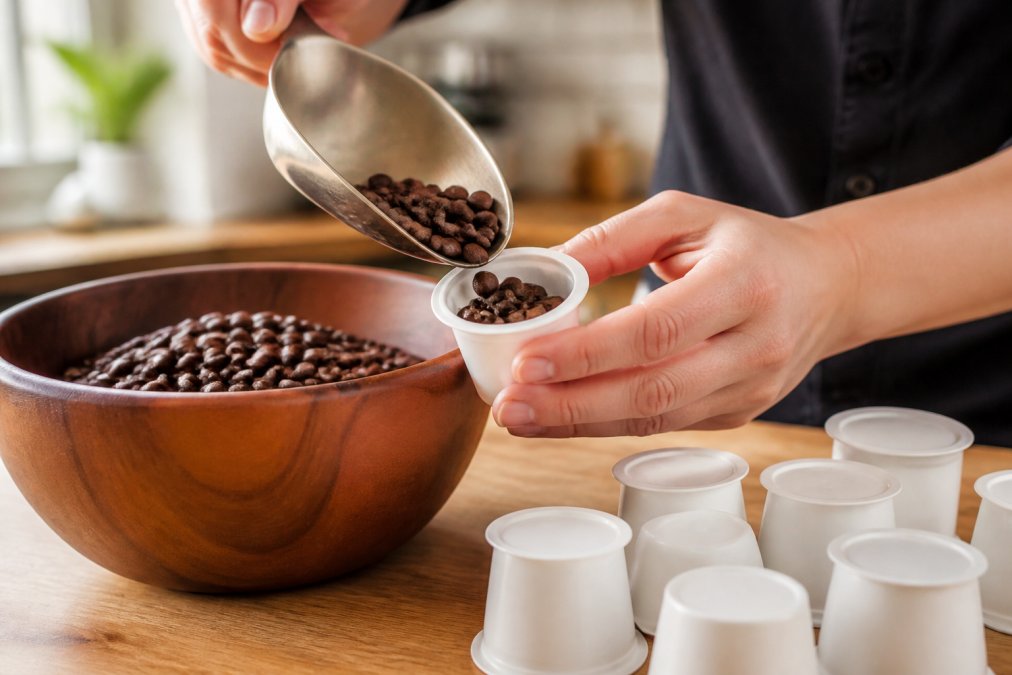
Where it stands out: freshness you can taste in the crema and aroma, plus a smooth, rich finish that holds up black. Where it falls short: because pods are roasted to order, you won't find them on a grocery shelf, so plan your reorders a few days ahead.
2. Lifeboost Coffee: Low-Acid, Single-Origin Pods
Lifeboost targets drinkers who love coffee but not the stomach ache that can follow. Its pods use single-origin, shade-grown Arabica beans, and each batch is third-party tested for mycotoxins and pesticides.
The low-acid profile is the main draw. If you've cut back on coffee because of reflux or sensitivity, a low-acid pod is often the fix, and Lifeboost is one of the cleaner options in that niche.
The trade-off is cost: it sits well above standard grocery brands, and the flavor leans smooth rather than complex. Buy it for comfort, not a wild flavor ride.
3. Peet's Coffee Major Dickason's Blend: Bold Dark Roast
Peet's signature dark roast has been a benchmark for decades, and the pod version holds the line: rich, multi-layered flavor notes with a heavy, full-bodied mouthfeel and a lingering aftertaste that stands up to milk and sugar.
Compatibility is a non-issue: these pods work in all Keurig K-Cup brewers, and the pod design is recyclable. It's one of the more affordable ways to drink a genuinely bold cup.
The limitation is range. Major Dickason's is a dark roast through and through, so if you rotate between light and dark, you'll want a second option on the shelf.
4. Maud's Coffee & Tea: Eco-Friendly Coffee Pods with Variety
Maud's earns its place for two reasons: variety and sustainability. The brand offers a wide spread of roasts and flavors, and its pods are recyclable, with beans roasted using solar power in California.
For anyone hunting eco-friendly coffee pods, that combination matters. Single-use plastics are the coffee world's biggest environmental sticking point, and recyclable pods cut waste without giving up convenience.
Bulk pricing is competitive, though flavor consistency varies between roast types. Order a smaller variety pack first before committing to a large box.
5. Starbucks Pike Place Roast: Balanced Medium Roast
Pike Place is the safe middle ground: a medium roast with subtle notes of cocoa and toasted nuts, brewed from 100% Arabica beans, delivering the same standardized cup every time.
That consistency is the point. If you want a familiar, balanced coffee with no surprises, this is the easiest pick to find and the hardest to dislike. It's compatible with all pod brewers and budget-friendly.
What you won't get is complexity. Small-batch specialty roasters bring nuance a mass-market medium roast can't match, so treat Pike Place as a reliable daily driver rather than a special-occasion cup.
6. Coffee Beanery Specialty Pods: Unique Flavors and Origins
Coffee Beanery is for the drinker bored with the usual lineup. The brand roasts in small batches and offers specialty single-origin options, including a Costa Rican Gladiola, alongside gourmet flavored varieties the big national brands don't carry.
If you like exploring origin and flavor notes, this is the most interesting box on the list. The beans are well selected, and the pods work with Keurig systems.
Premium pricing is the catch. You're paying for novelty and sourcing, and flavored pods aren't for everyone. Try a sampler before stocking up.
What Actually Separates Good Gourmet Coffee Pods From Average Ones
Most guides stop at "freshness matters." That is true but incomplete. Three variables you control at home, plus one you can only judge on the box, decide whether a gourmet pod tastes gourmet or generic.
1. Brewing temperature and extraction. This is the gap almost every retail page skips. Coffee extraction is a chemistry problem: hot water dissolves acids, sugars, and oils out of the grounds, and the balance of those compounds determines whether the cup tastes sour, sweet, or bitter. Most drip and single-serve brewers run between roughly 195°F and 205°F, the range the Specialty Coffee Association treats as the target for optimal extraction.
Frequently Asked Questions
What are the highest quality gourmet coffee pods?
The highest quality gourmet coffee pods often come from small-batch roasters that prioritize freshness and sourcing. Look for pods made with 100% Arabica beans, roasted-to-order, and offering details like origin and roast date. Brands like Black Cat Coffee Co. and Lifeboost Coffee exemplify this, focusing on ethical sourcing and clean flavor profiles. For eco-friendly options, Maud's Coffee & Tea provides recyclable pods with a variety of roasts.
Are gourmet coffee pods compatible with all machines?
Most gourmet coffee pods are designed to be compatible with Keurig K-Cup brewers, but not all. Always check the product description for compatibility. For example, Peet's Coffee and Starbucks pods work with all Keurig systems, while some specialty brands may offer pods for other systems like Nespresso. If you have a less common brewer, verify before purchasing.
How do I choose the best gourmet coffee pods for my taste?
Start by identifying your preferred roast level: light roasts are bright and acidic, medium roasts are balanced, and dark roasts are bold and rich. Consider flavor notes like cocoa, nuts, or fruit. If you have sensitivity, try low-acid options like Lifeboost. For variety, Maud's offers flavored pods. Reading customer reviews and trying sampler packs can help you find your perfect match.
Are gourmet coffee pods more expensive than regular pods?
Gourmet coffee pods typically cost more per pod than standard grocery store brands due to higher-quality beans, smaller batch roasting, and ethical sourcing. However, the price can range widely. Many brands offer subscriptions that reduce costs. Ultimately, you're paying for better flavor, freshness, and often sustainability.