

Best Coffee Beans for Home Brewing: 2026 Guide
Table of Contents
- Quick Comparison: Best Coffee Beans for Home Brewing
- How We Evaluated These Beans
- 1. Black Cat Coffee Co.: Best Overall for Freshness
- 2. Brazil Canaan Estate: Best Single-Origin Daily Drink
- 3. Holler Mountain Blend: Best Organic Blend
- 4. Lavazza Super Crema: Best for Espresso Machines
- 5. Southern Weather: Best for Milk-Based Drinks
- 6. San Francisco Bay Fog Chaser: Best Budget Pick
- How to Store Coffee Beans for Maximum Freshness
- Single Origin vs Blend Coffee: Which Should You Choose?
- Coffee Bean Roast Profiles Explained
- Frequently Asked Questions
Last Updated: September 30, 2026
Quick Comparison: Best Coffee Beans for Home Brewing
The best coffee beans for home brewing depend on your equipment, your taste, and how fresh you need them to be. This guide from Black Cat Coffee Co. breaks down six standout options, from small-batch roasted-to-order beans to affordable grocery staples. Below, we compare each pick by brew method, roast profile, and price so you can match beans to your setup instead of guessing.
| Bean | Best For | Roast Level | Starting Price |
|---|---|---|---|
| Black Cat Coffee Co. | Overall freshness | Varies by lot | See site |
| Brazil Canaan Estate | Daily drip and pour over | Medium | $18.00 |
| Holler Mountain Blend | Organic, low-acid cups | Medium | $14.48 |
| Lavazza Super Crema | Espresso machines | Medium-dark | $25.70 |
| Southern Weather | Milk-based drinks | Medium | $22.00 |
| San Francisco Bay Fog Chaser | Budget brewing | Medium-dark | $15.00 |
How We Evaluated These Beans
We scored each option on four things: freshness, roast consistency, how well it performs across brewing methods, and value per ounce. Freshness carried the most weight because stale beans taste flat no matter how good the grinder is. We also weighed origin transparency and whether a roaster publishes roast dates, since that single detail separates serious roasters from shelf-stable commodity brands.
1. Black Cat Coffee Co.: Best Overall for Freshness
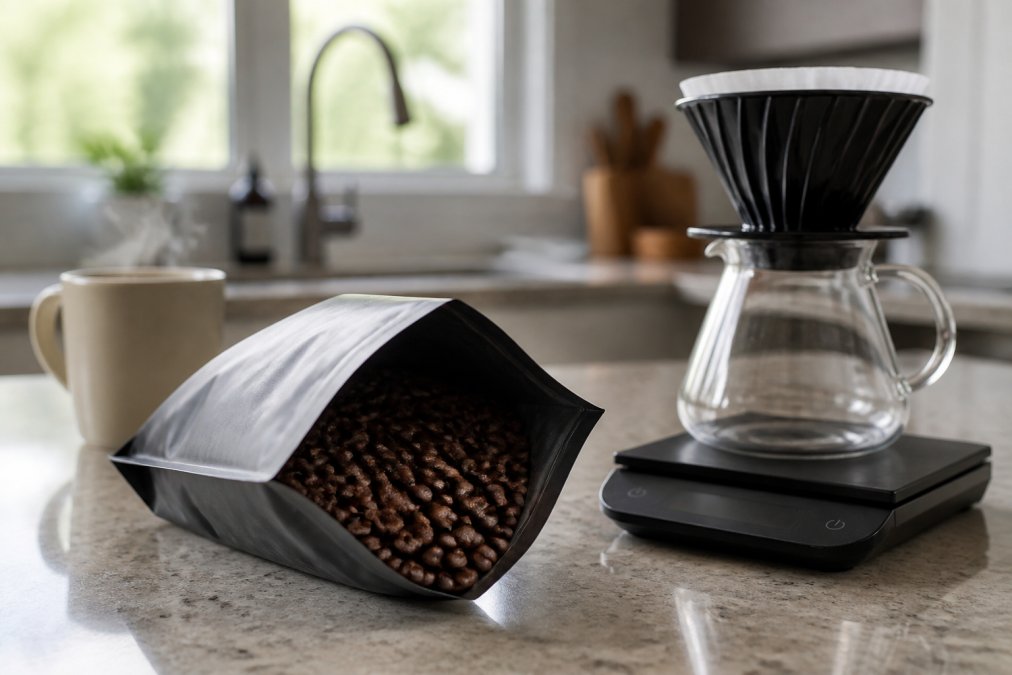
Black Cat Coffee Co. takes the top spot because every bag is roasted to order, not pulled from a warehouse shelf. That single practice preserves aroma and flavor notes that fade within weeks of roasting. The company sources beans from trusted farms and offers blends, single-origin lots, and coffee pods, so you can match beans to any brewing method.
Pros:
- Roasted to order for maximum freshness
- Carefully sourced beans from trusted farms
- Blends, single origins, and pods in one place
Cons:
- No published pricing, so check the site for current rates
2. Brazil Canaan Estate: Best Single-Origin Daily Drink
Single-origin coffee comes from one growing region rather than a blend of several, which makes its flavor easier to trace and often more distinctive. Brazil Canaan Estate earns its spot for consistency. Home brewers rate it highly for both drip and pour-over, and its balanced profile handles a range of grind sizes without turning bitter.
3. Holler Mountain Blend: Best Organic Blend
Blends combine beans from multiple origins to hit a target flavor, and Holler Mountain does that with certified organic beans. The result is a creamy, caramel-forward cup with low acidity, which suits drinkers who find bright, fruity coffees too sharp.
4. Lavazza Super Crema: Best for Espresso Machines
Espresso needs a bean that holds up under pressure and produces crema, the golden layer on top of a shot. Lavazza Super Crema blends Arabica and Robusta beans specifically for that job, delivering a thick, persistent crema and classic café flavor.
5. Southern Weather: Best for Milk-Based Drinks
Milk-based drinks need a bean bold enough to cut through steamed milk without disappearing. Southern Weather from Onyx Coffee Lab was built for exactly that, with flavor notes of milk chocolate, plum, and candied walnut and a clean citrus finish.
6. San Francisco Bay Fog Chaser: Best Budget Pick
Budget beans often sacrifice freshness, but Fog Chaser keeps bold flavor at a low cost per ounce. This medium-dark roast delivers a full-bodied, intense cup with a smooth finish, and it comes in bulk formats that lower the per-cup cost further.
How to Store Coffee Beans for Maximum Freshness
How to store coffee beans for maximum freshness comes down to four enemies: air, moisture, heat, and light. Keep whole beans in an airtight, opaque container at room temperature, away from the stove and windows. Buy in quantities you will finish within a few weeks, and grind right before brewing.
Roast Date vs. Best-By Date: The Number That Actually Matters
A "best by" date is a shelf-life estimate set by the roaster, often 6-12 months out. It tells you nothing about when the beans were roasted. A "roast date" is the day the beans came out of the roaster, and it is the only number that predicts how the coffee will taste.
Subscription vs. Grocery Shelf Life
This is where the freshness math gets concrete. A grocery bag with a best-by date 8 months out may have been roasted 2-3 months ago by the time you buy it. A subscription from a roaster that ships within 1-3 days of roasting puts beans in your grinder quickly.
Freezing: When It Helps and When It Hurts
Skip the freezer for daily-use beans. Repeated thawing introduces moisture that dulls flavor. If you must store long term, freeze a sealed bag once and grind from frozen without thawing. Portion into single-use bags before freezing so you never thaw more than you will brew in a week.
Single Origin vs Blend Coffee: Which Should You Choose?
Single origin vs blend coffee is not a quality contest; it is a question of purpose. Single-origin beans showcase one region's distinct flavor, so they reward attention and work best with pour over or drip. Blends combine origins to create a consistent, balanced cup that performs reliably across methods and pairs well with milk.
Coffee Bean Roast Profiles Explained
Coffee bean roast profiles explained simply: light, medium, and dark roasts describe how long and how hot beans were roasted, and that timing drives flavor. But roast level is only half the story. The other half is origin, and the two together determine which brewing method will actually flatter a bean.
| Roast | Flavor Notes | Acidity | Best Brew Method |
|---|---|---|---|
| Light | Floral, fruity | High | Pour over |
| Medium | Nutty, chocolatey | Medium | Drip, French press |
| Dark | Smoky, bittersweet | Low | Espresso, cold brew |
Why Origin Changes the Roast Decision
Roast level is a dial, but origin sets the ceiling. A washed Ethiopian bean roasted light tastes like jasmine and stone fruit; the same bean pushed to a dark roast tastes like ash and burnt sugar. A Sumatran bean roasted light can taste grassy and underdeveloped, while a medium-dark roast unlocks its cedar and dark-chocolate depth. That is why the same roast name means different things across origins.
Equipment-Specific Bean Pairing
Most guides stop at "match roast to method." A more useful framework pairs origin and roast to the specific device on your counter:
- AeroPress: Medium roasts from Central America (Guatemala, Costa Rica) shine here. The short, pressurized brew rewards the caramel and red-apple notes these beans carry, and the paper filter keeps the cup clean.
- French press: Medium-dark roasts from Brazil or Sumatra. The metal mesh lets oils and fine particles through, so a fuller-bodied, lower-acid bean holds up instead of turning muddy.
- Pour over (V60, Chemex): Light to medium-light roasts from East Africa (Ethiopia, Kenya). The slow, even extraction rewards the floral and citrus acidity that darker roasts would flatten.
- Espresso: Medium-dark to dark blends with some Robusta or a Brazilian base. Pressure amplifies bitterness, so a bean with built-in sweetness and body balances the shot.
- Cold brew: Medium-dark to dark roasts from Brazil or Sumatra. Cold water extracts slowly and favors chocolate and nut tones over delicate florals.
The Water Variable Most Guides Skip
Even a perfectly matched bean can taste flat if your water is wrong. Extraction depends on dissolved minerals, not just the coffee. Water that is too soft (very low mineral content, common with reverse-osmosis or distilled water) under-extracts and produces a thin, sour cup. Water that is too hard (high calcium and magnesium) over-extracts and tastes chalky or bitter.
Frequently Asked Questions
What are the best coffee beans for brewing at home?
The best coffee beans for home brewing depend on your method. For drip and pour-over, try a medium roast single-origin like Brazil Canaan Estate. For espresso, a blend like Lavazza Super Crema or Southern Weather works well. For cold brew, a dark roast with chocolatey notes holds up to long steeping. Always choose whole bean coffee roasted within the last two weeks for the best flavor.
How does roast level affect the flavor of home-brewed coffee?
Roast level changes acidity, body, and flavor notes. Light roasts keep fruity and floral notes with higher acidity. Medium roasts balance sweetness and acidity with chocolatey or nutty flavors. Dark roasts taste smoky and bittersweet with lower acidity and a heavier body. Match the roast to your brewing method: light roasts shine in pour-over, while dark roasts work well in French press and espresso.
What is the difference between single-origin and blended coffee beans?
Single-origin coffee comes from one farm, region, or country, so it highlights a specific flavor profile tied to that place. Blends combine beans from multiple origins to create a consistent, balanced taste year-round. Single-origin beans suit pour-over and drip brewing where you want to taste origin character. Blends work well for espresso and milk drinks where consistency matters more than terroir.
How should I store coffee beans to maintain freshness?
Store whole beans in an airtight, opaque container at room temperature, away from light, heat, and moisture. Do not refrigerate or freeze unless you seal the bag tight and use it within a month. Buy in small amounts you will finish in two to three weeks. Grind right before brewing. Oxygen, light, heat, and moisture are the main enemies of fresh coffee, so limiting exposure to all four keeps flavor intact.
Does grind size matter when choosing coffee beans for home brewing?
Grind size matters as much as the bean itself. Espresso needs a fine grind, pour-over and drip use a medium grind, and French press or cold brew need a coarse grind. If your coffee tastes sour or weak, grind finer. If it tastes bitter or harsh, grind coarser. Match the grind to your brewing method and adjust in small steps until the cup tastes balanced.
Picking the right beans still comes down to freshness, and that is where Black Cat Coffee Co. makes the decision easy. Every order is roasted to order, sourced from trusted farms, and shipped fast, so your beans reach peak flavor instead of fading on a shelf. With blends, single origins, and convenient pods all in one place, plus simple ordering, you get a smooth, rich cup without the guesswork. Get started with Black Cat Coffee Co. and taste what freshly roasted coffee actually delivers.